Stanisław Gągałka: Against the Backdrop of Warsaw
Contents
- Introduction
- Chapter I: Warsaw Beginnings
- Chapter II: The War
- Chapter III: The German Occupation. The Uprising.
- Chapter IV: The “U Wicka” Restaurant – Sochaczew
- Chapter V: The Departure
- Chapter VI: Post-War Warsaw
- Chapter VII: The Grand Hotel, Europejski, and Victoria
- APPENDIX: The Complete Descendants of Józef Gugała (Gągałka)
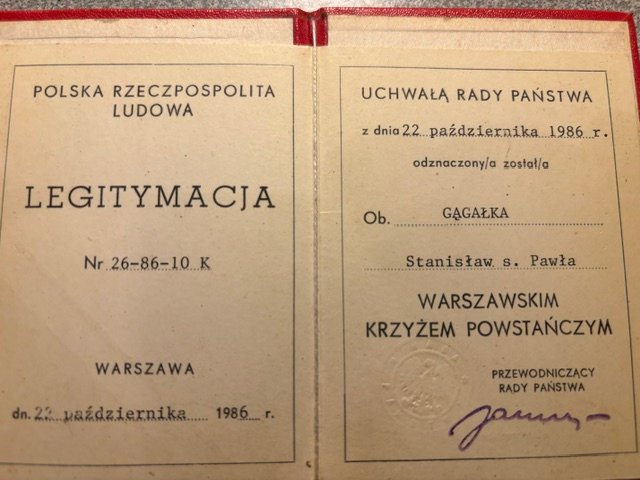
Introduction
The history of the Gągałka family dates back to the first half of the 18th century, and although the spelling of the surname changed over the years, its pronunciation remained the same. These changes in the spelling of surnames were almost natural on Polish lands and affected many families. For years, the partitioning powers distorted Polish surnames, using different spellings and alphabets. The surname Gągałka, with its two Polish letters “ą” and “ł”, was particularly vulnerable to this. The family originated from the Lublin region and, through various marriages, intermingled with the Niebrzydowski, Bancerz, Bakier, Salamucha, and many other families. For clarity, at the end of this text, I have included the Gągałka family tree, which explains these connections.
The Warsaw story of my father-in-law – Stanisław Gągałka – begins in 1934, when he arrived in Warsaw as a teenager. He came to work because, in his hometown of Nowodwór in the Lublin region, he had no opportunity to “spread his wings”! He finished school there and additionally completed a military training course, but after that, opportunities dried up, and he did not want to stay on the family farm. So, he went to Warsaw.
And here is the story, told in his own words.
Chapter I: Warsaw Beginnings
“I was fifteen years old when I started working at the G.G. Lardelli confectionery shop at 30 Polna Street in Warsaw. Today, there is no trace left of this beautiful establishment, but back then, in the 1930s, it was one of the most grand and elegant café-confectioneries in pre-war Warsaw. Located right next to Pole Mokotowskie, where horse races were held, it was a convenient spot for bookmakers and spectators who, after the thrill of gambling at the races, would come in for good coffee, pastries, and desserts. The place gleamed with mirrors, marble, and interesting stucco work. Through the huge windows, you could see the elegant clientele from the street. Right next to the establishment was the confectionery workshop – also owned by Mr. Lardelli.
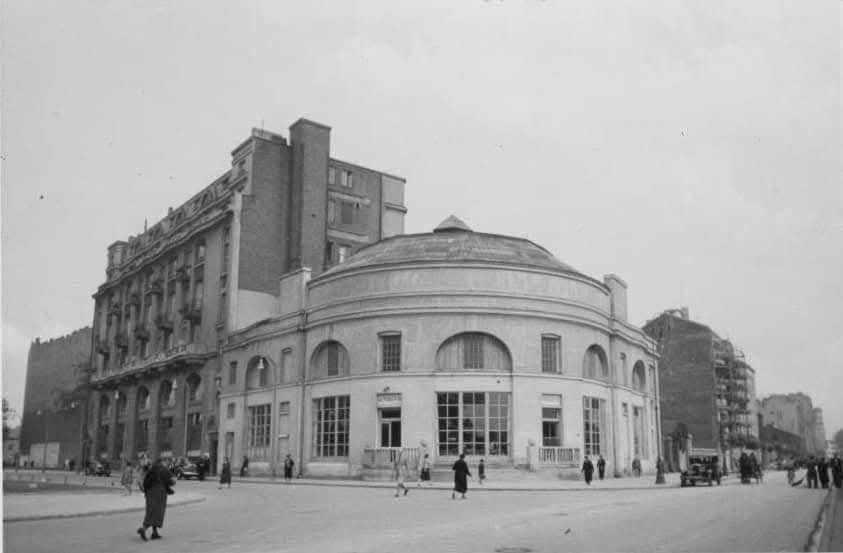
Despite these splendors and quite a good salary, I did not stay there for long, as about a year later, an opportunity for more interesting work opened up. It all started with my strong desire to become a waiter. It must be said that back then, in the 1930s, the profession of a waiter enjoyed great social prestige, and the elite of the trade were held in high regard. However, unlike today’s reality, the barrier to entry into the profession was incredibly high. Pre-war standards and expectations for Warsaw waiters – especially the top-tier ones – were based on ironclad rules, a strict hierarchy, and years of learning. School, apprenticeship, and the state board professional examination, which crowned the practical training, made for a grueling path to the profession. I never thought I would ever be allowed to reach that level.
And yet, I dreamed of working in a real restaurant, perhaps even at a restaurant bar. The café was nice and the work wasn’t even that hard, but it was too sweet, too much in public view, and all in all, rather monotonous. Even the fact that I worked in one of the best, if not the absolute best – alongside Lours – cafés in Warsaw did not lift my spirits. The profession of a waiter, and even more so a bartender, was, in my deep conviction, a distinction that would allow me to enter the heart of this enchanted circle. So I went around asking, but despite my efforts, the opportunity did not come. Finally, in 1938, I got my dream job as an apprentice waiter at the grand Hotel Europejski, owned by Prince Seweryn Czetwertyński.
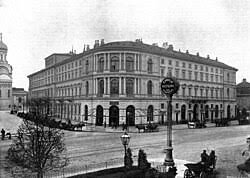
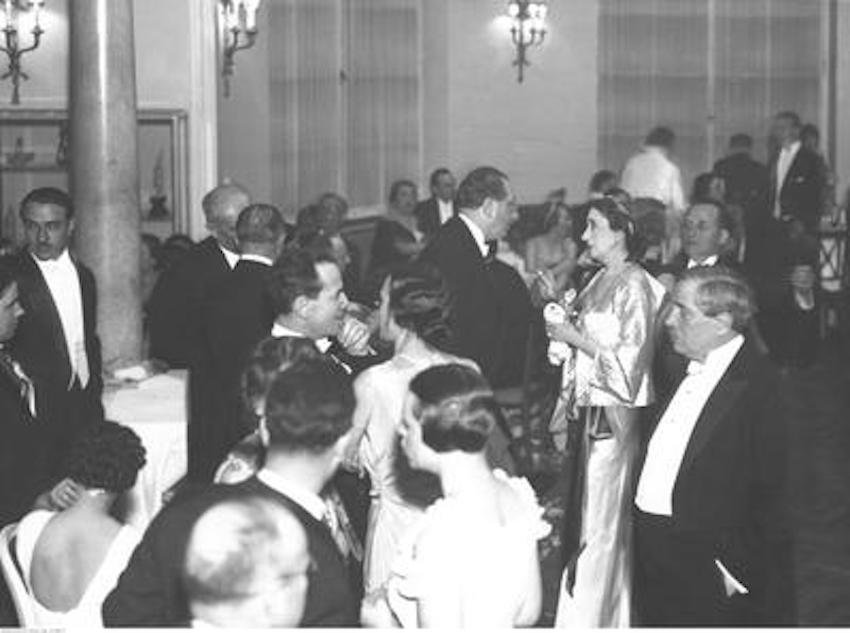
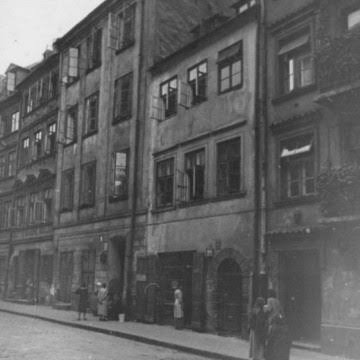
My work as a commis waiter (piccolo) at Lardelli’s was counted toward my experience! So, I was a waiter’s apprentice! And not just anywhere, but in the main hotel restaurant, where even from my low position, one could catch plenty of glimpses of the elegant world of the guests. Among them, there was no shortage of aristocracy, generals, high-profile businessmen, figures from the artistic world, and even government dignitaries. I must have been performing well, and things must have been going rather smoothly for me, since shortly after I started, the veteran waiters were already entrusting me with various tasks through which I learned the waiter’s trade. Late in the evenings, when I finished work and walked along Krakowskie Przedmieście toward my apartment on Piwna Street, I felt joy at having such a job. I remember that feeling to this day!
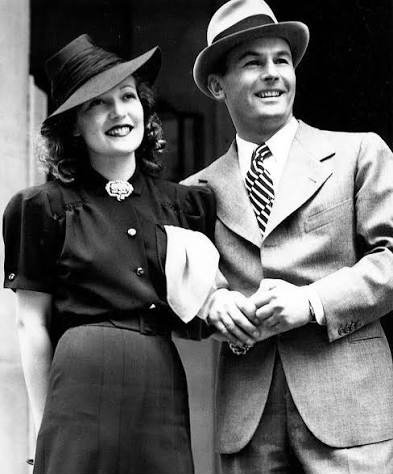
I felt privileged and as if I belonged to the elite that frequented “my” hotel. Among the guests I saw were people who were widely known, respected, admired, and loved. The famous tenor Jan Kiepura and his wife Marta Eggerth would come in; the popular cinema heartthrob Eugeniusz Bodo was a regular; as were the celebrated Hanka Ordonówna, Loda Halama, Grossówna, Smosarska, and others.
Writers would come as well, including Mr. Kornel Makuszyński, Jan Lechoń, Słonimski, and others. Of course, I did not know them personally, nor had I ever seen them “live” before, but the veteran waiter, Mr. Konstanty, who was my supervisor and like a second father to me, would explain who was who, noting: ‘Remember, Stasiek, who you are seeing here now! You’ll be telling your grandchildren about this!’
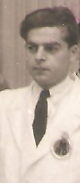
So I would run around the grand dining room of the Europejski restaurant, catching fleeting glimpses of myself in the enormous mirrors, breathing the same air as the elegant guests, and – truth be told – absorbing this dream world with every fiber of my being. My head spun from the names, the diverse demands, comments, and wishes. I listened about the complex art of setting a table, folding napkins, arranging wine glasses, bowls, goblets, and cutlery, and about the secrets of serving various magnificent dishes, selecting wines, spirits, and desserts. In the spring of 1939, the time finally came for my final examination. I was to become a fully fledged waiter! I must say I was shaking like a leaf – or rather, like jelly or fish in aspic – but I passed the exam, and as I was told, with flying colors! There was plenty to be happy about and to celebrate, so we celebrated all night long. I was beside myself with joy! I felt that I had reached a level I had only dreamed of not long before. But there was no time for overly long festivities, because business was exceptionally brisk. People could sense the approaching war and indulged themselves in everything.
Chapter II: The War
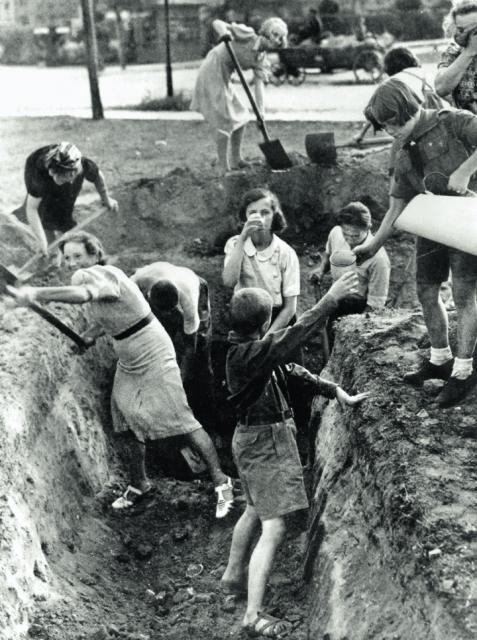
The establishments were overcrowded, and despite the rivers of alcohol, the music, and the parade of exquisite dishes, one could feel a growing tension, which people tried to drown out in defiance of reality. During the day, there was digging of trenches, stockpiling of supplies, and drafting of plans, but in the evenings, everything was forgotten, and people partied without moderation.
Although business in the summer was usually slower, this year was different. Many did not leave for summer vacations. The final weeks of August were so busy at the Europejski that we were quite literally dropping from exhaustion. On the other hand, our pockets were bulging with tips, and there was no time to spend them. All of this crazy restaurant business collapsed on the first of September.
A general nervousness, the departure of the authorities, the evacuation of ministries and offices, a lack of police, and streets littered with papers. Bombings, barricades, streets cut open by trenches, the first fires, sirens, and collapsing buildings, radio announcements, and people running desperately – all of this was some incomprehensible ordeal that surpassed any expectations. Nothing mattered anymore, as the tragedy intensified by the minute. The bloody defense of the city, constant air raids, general chaos, tears, and dying people! Compared to this monstrous shift, what did former emotions, matters, dreams, and passions mean? Nothing, or almost nothing! Now, survival was what mattered!
Many left for the east, but I stayed. I was convinced that I should stay, and that here, in Warsaw, I would be needed more than on the congested roads where crowds of panicked people were heading toward some assembly points where armed units were supposedly to be organized. It was the first of September, and the first bombs had already fallen on the city. Chaos and panic spread with the speed of a wildfire. The night shift was just ending when we heard the planes, the whistle of bombs, and terrifying explosions. I pressed myself against a wall. Screams could be heard everywhere, people could be seen running… I felt as though the world had gone mad!
The next day, for the first time, I did not go to work, and I didn’t even think about it, because the non-stop announcements and the roar of diving planes signaled that everything had changed. We all clearly knew by then that nothing, literally nothing, would ever be the same again. Then we heard the news about the departure of the President, the government, and the Commander-in-Chief. An appeal was also made to all men capable of bearing arms to leave the city immediately and head east, where they were to be mobilized. With this rather strange appeal, not everything was clear, because nobody knew where to go or where to report, but even so, the next day, many began leaving Warsaw.
But not me.
I stayed, and as it turned out, I did well. Already on the following afternoon, the attack on the Wola district began, and along with two colleagues from work, we were on the barricade. No longer at a restaurant table, but on a barricade! I was filled with joy! Those first two weeks of September, and then the desperate days leading up to the capitulation of the City, were an unimaginable mixture of daily tragedies. And despite the fact that death brushed past me several times, the whole time I had a strange, unshakable certainty that I would come out of it completely unscathed. The attack in Wola was a severe trial. At the same time, some wild spirit entered me! After six years in the cozy confines of cafés and restaurants, where work was regulated, food – and quite good food at that – was on the table, and tips practically replaced a salary, I felt like a wild animal suddenly released from a cage. I breathed in the air of freedom until my head spun, and since this air was born of war, bloody, wild, and tempestuous, I walked, or rather ran, with joy.
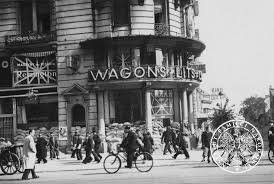
The change came later, when after the capitulation and the entry of compact Wehrmacht units into the City, daily misery ground down all of us who had remained in ruined Warsaw. So, the day after the Germans entered, I went back to the Europejski, but things there were completely different than they had been a month prior. There were no guests; instead, there was an indescribable mess, rubble, and destruction everywhere. People were cleaning up here and there, trying to organize something, but everything was slipping through their fingers and they had no heart for the work. It was a bit different just a stone’s throw away across the street at the Bristol, which had somehow escaped damage, but the Germans had already stationed themselves there, and the restaurant was full of uniforms and boisterous conversations.
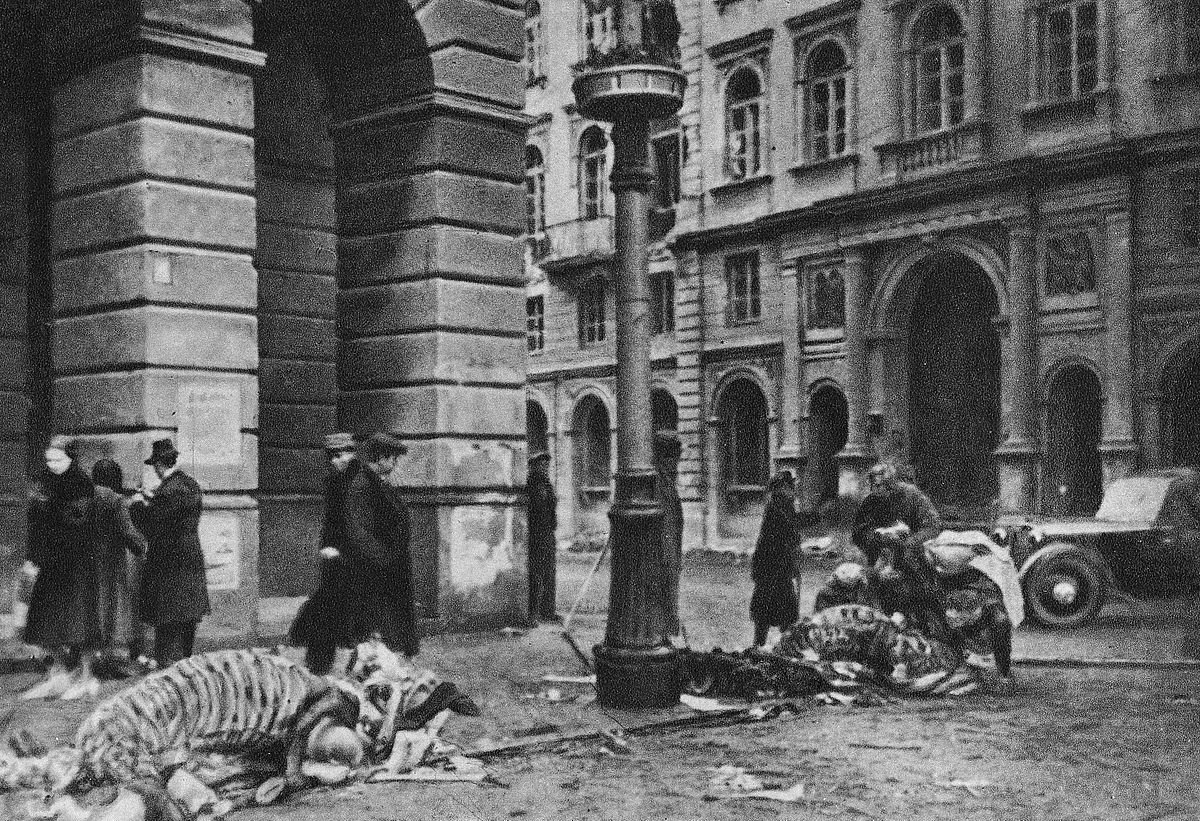
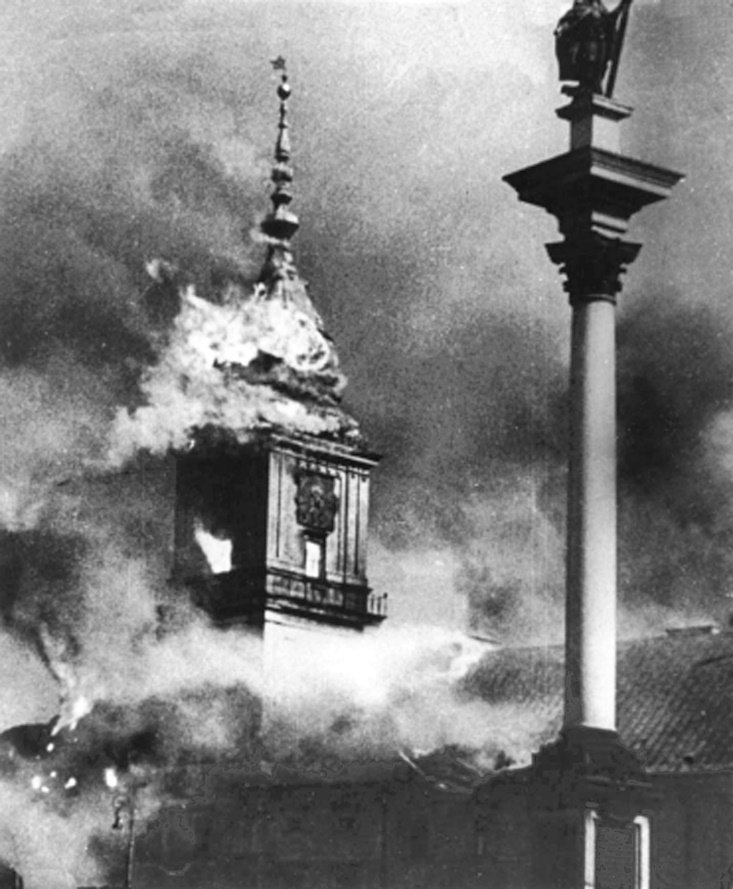
In the evening, I went out for a walk. Nearby, the skeletal ruins of the Royal Castle loomed, and the smell of smoke and the stench of horse carcasses hung everywhere in the air.
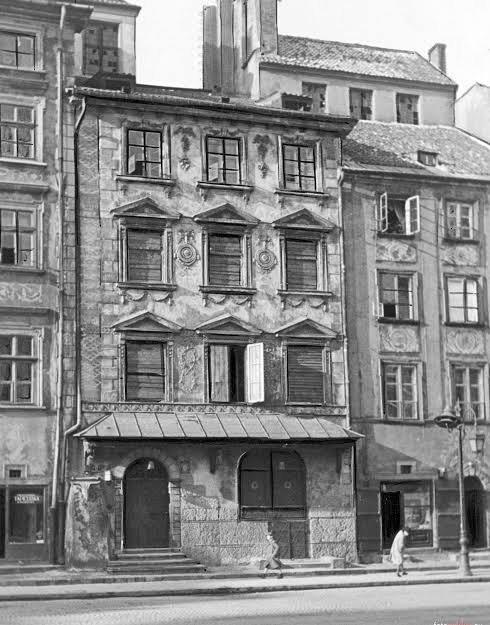
I could not shake the thought that, for the first time in my life, I had done something truly important. My previous jobs—serving sweets and coffee, and even my later dream job at the grand hotel and the waiter’s exam I had finally passed—suddenly seemed like insignificant matters. And at that moment, I remembered the German officers and their barking conversations at the Bristol! The Polish Bristol! Suddenly, I spotted a figure walking quickly. It was Oleś, a buddy from the neighboring tenement house. We hadn’t seen each other since those first days. I didn’t even know if Oleś was alive or where he had been hiding, and now I saw him walking at a brisk pace from the direction of the Old Town Market Square.
‘They’re looting Fukier’s!’ Oleś shook with indignation. ‘They’re carrying out wines, trucks are parked and loading up! Damned Krauts! Acting like they own the place, and they’re prepping a parade in the Avenues for tomorrow! I know for sure! Hitler is supposed to be there! They’ve already closed off the streets. Have you ever heard of such a thing, Stasiek?! I’m telling you, I won’t let them get away with this!’
And that was the first time we started talking about the underground resistance. Oleś had already been involved in it for over a week, and you could tell he considered himself a ‘veteran conspirator.’ And it didn’t end with just that conversation, because later came the swearing-in, high-flown words, and solemn faces heavy with patriotism. I hesitated a bit. Aside from Oleś, I didn’t know anyone. Even him I only knew from the street… This suddenly revived acquaintance with Oleś was important to me, even decisive, because it was precisely through him that I joined the underground Service for Poland’s Victory (SZP). This was the beginning; thoughts were fervent and hearts were ablaze, but hunger was biting, and there was no food.
It was time to think about returning to work. Stalls, booths, and small shops were popping up on the streets, and everyone was trading something, but nothing was given away for free. A few months later, they started organizing the distribution of meals, but for now, in the early days of October ’39, nothing of the sort existed yet. It started to get a bit hungry. Despite the checks, restrictions, and constant danger, my landlady traveled, organized things, and over time even took on two girls to help her. Where I lived at 41 Piwna Street, two other families who had lost their apartments in September were squeezed in. It was crazily cramped, but—it must be said—fairly cheerful. Mind you, I barely lived there. I would drop in, rush out, and was constantly on the move, looking for some source of income.
There was nothing left to look for at the Europejski, as the entire hotel was barely breathing after the September bombings. What remained had been taken over by the Germans, and just like at the Bristol, they filled the restaurant rooms with raucous laughter, their own music, and songs drunk with conquest. More importantly, there was no longer a place for me at either the Europejski or the Bristol. The maître d’ whispered to me to come back in some time because he was fully staffed for now, and after all, nobody knew how things would unfold. So I went from door to door, asking around. Just like six years prior, when I first arrived in Warsaw looking for work. Now I was a qualified waiter, I knew my trade, but I felt that in the face of widespread malnutrition, the struggle for each day, and the overall terrifying poverty, all of my experience meant absolutely nothing.
The great wounds of ruined buildings, the omnipresent debris fields, and above all, the awareness of thousands of dead ground us to the earth. I wandered the streets, looking at this magnificent city that had once welcomed me with wide open arms, given me work and a head start in life, and was now weeping bloody tears before my eyes. Warsaw was breathing like a severely wounded man who wants to survive, overcome the pain, and live! Everyone wanted to live, and everywhere you looked, there was the bustle of opening businesses and trade.
Chapter III: The German Occupation. The Uprising.
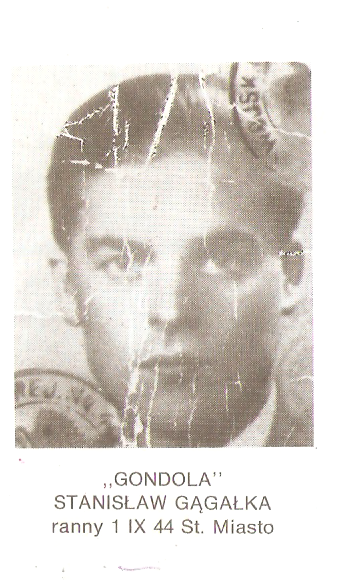
In March 1941, I started working at the Hotel Bristol. I was to remain there until the Uprising in 1944. In 1942—again thanks to Oleś—I joined the ranks of the Home Army (AK), specifically the 1653 group belonging to the 5th Sub-district of the 6th District Prague ‘Turek’. The commander of the 5th Sub-district was Cavalry Captain/Major Mieczysław Jeżewski, codenamed ‘Turek,’ after whom the sub-district’s cryptonym was named. My immediate commander was Second Lieutenant Lucjan Smodrzewski, codenamed ‘Wicher’ (Chief), who—just like me—lived on Piwna Street.
I remember the day the Uprising broke out as if it were yesterday. It was Tuesday, the first of August.
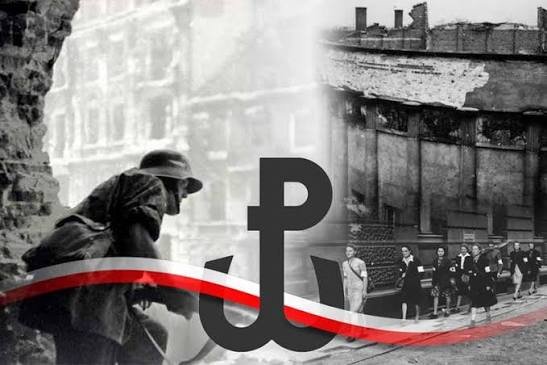
Oleś came running and told me that the Uprising had started, but that I was not to go to my regular unit on Jagiellońska Street. Instead, I was to report to the 104th Company of the Polish Syndicalists Association, part of Major Stanisław Błaszczak’s (‘Róg’) group, in the Old Town on Świętojerska Street. My company commander was Second Lieutenant ‘Wroński’ (Kazimierz Puczyński), and his deputy was Lieutenant Witold Potz, codenamed ‘Koperski.’ I was given the nom de guerre ‘Gondola’ and assigned to the 3rd Assault Platoon. The commander of this platoon was Second Lieutenant Józef Dołęgowski, codenamed ‘Leśniewski.’
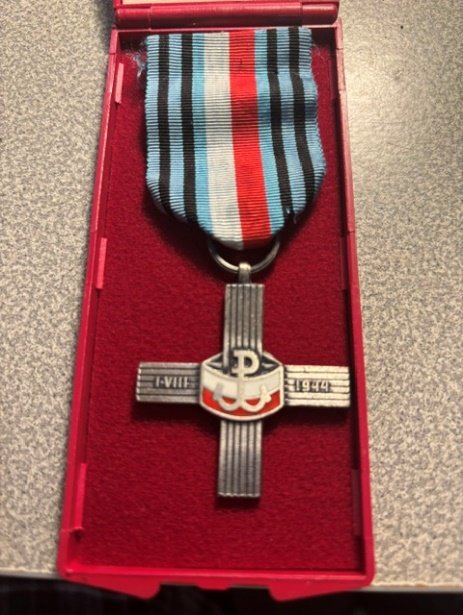
That very same day—August 1st—we captured a German hospital located in a school building on Barokowa Street, right next to the Krasiński Garden and Długa Street. A few days earlier, the Germans had evacuated the sick and wounded soldiers from there, but they had left behind a defensive garrison of about fifty soldiers, whom we took prisoner. Events unfolded like an avalanche. We took part in the battles to capture the Polish Security Printing Works (PWPW), the school on Rybaki Street, and in the areas around the Castle, St. John’s Cathedral, and the Jesuit Church. We fought in the redoubt of the 104th Company—the Professors’ House at 12 Brzozowa Street. There was no time for sleep, food, rest, or anything at all! The bygone days of exquisite restaurants, sophisticated parties, fine wines, and cognacs felt as distant and unreal as if they had never existed! And yet, it had all been so recent! August 1944 was a time I cannot compare to anything else! It was life in another reality! Almost on a different planet! But we were alive! And that was the most important thing.
On September 1st, while covering the northern side of Krasińskich Square—between one and two in the afternoon—on Świętojerska Street, I was wounded in the leg by a mortar shell fragment. Combat medics guided me to the sewer entrance at the corner of Długa and Miodowa streets, and through those sewers, I reached the City Center (Śródmieście). There, I managed to get into a hospital on Drewniana Street, but it was the final hour; I had lost a lot of blood and believed death was coming. In the hospital, they patched me up reasonably well.
Meanwhile, the Uprising was in its death throes. The final, desperate battles were still raging in Mokotów and Żoliborz, the fight for the Czerniaków Bridgehead was still ongoing, and the blood of the Insurgents was still being spilled, but no one harbored any illusions that this was the end. Finally, at the beginning of October, the capitulation was signed, and the evacuation of the City began. We were packed onto the EKD (suburban train) and taken toward Pruszków. I fainted several times, but fortunately, some water was found and I managed to pull myself together.
Later on, along with a few others, I escaped from the train car. I was helped by a fellow fighter from the 104th Company, Rysiek Gogól, who dragged me to his family’s home in Milanówek and hid me there. My wound started bleeding again, but after a few weeks, I recovered. It was also around that time that I learned that Mr. Wincenty Flisiak, who ran the ‘U Wicka’ (At Wicek’s) restaurant in Sochaczew, was looking for someone to hire.
Chapter IV: The “U Wicka” Restaurant – Sochaczew
‘This is it,’ I thought with relief and great naivety, ‘I’ll return to my trade and everything will be fine.’ But the restaurant in Sochaczew was not what I had expected.
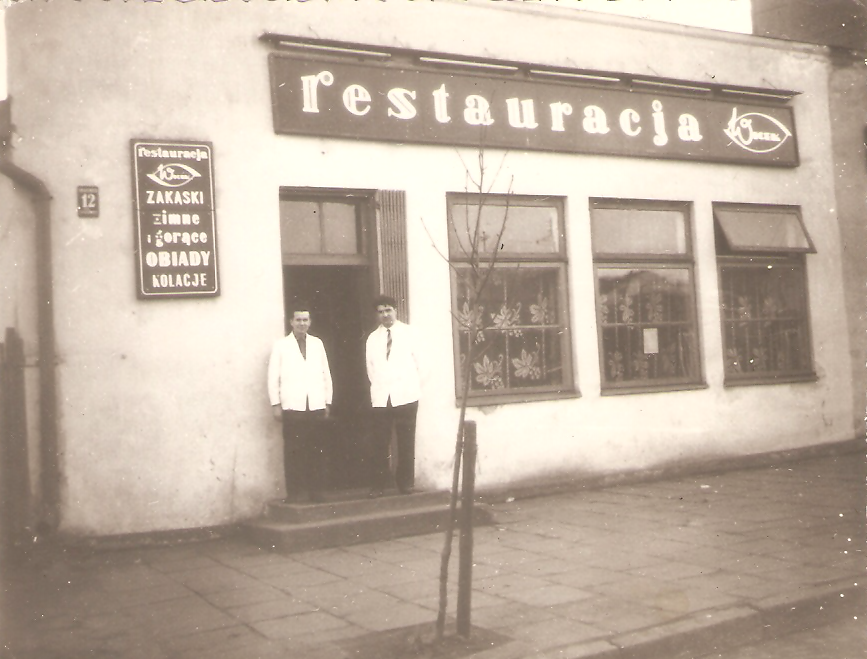
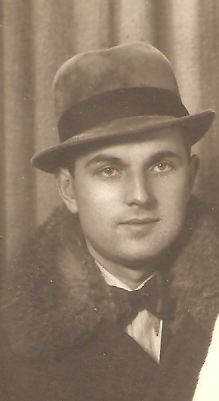
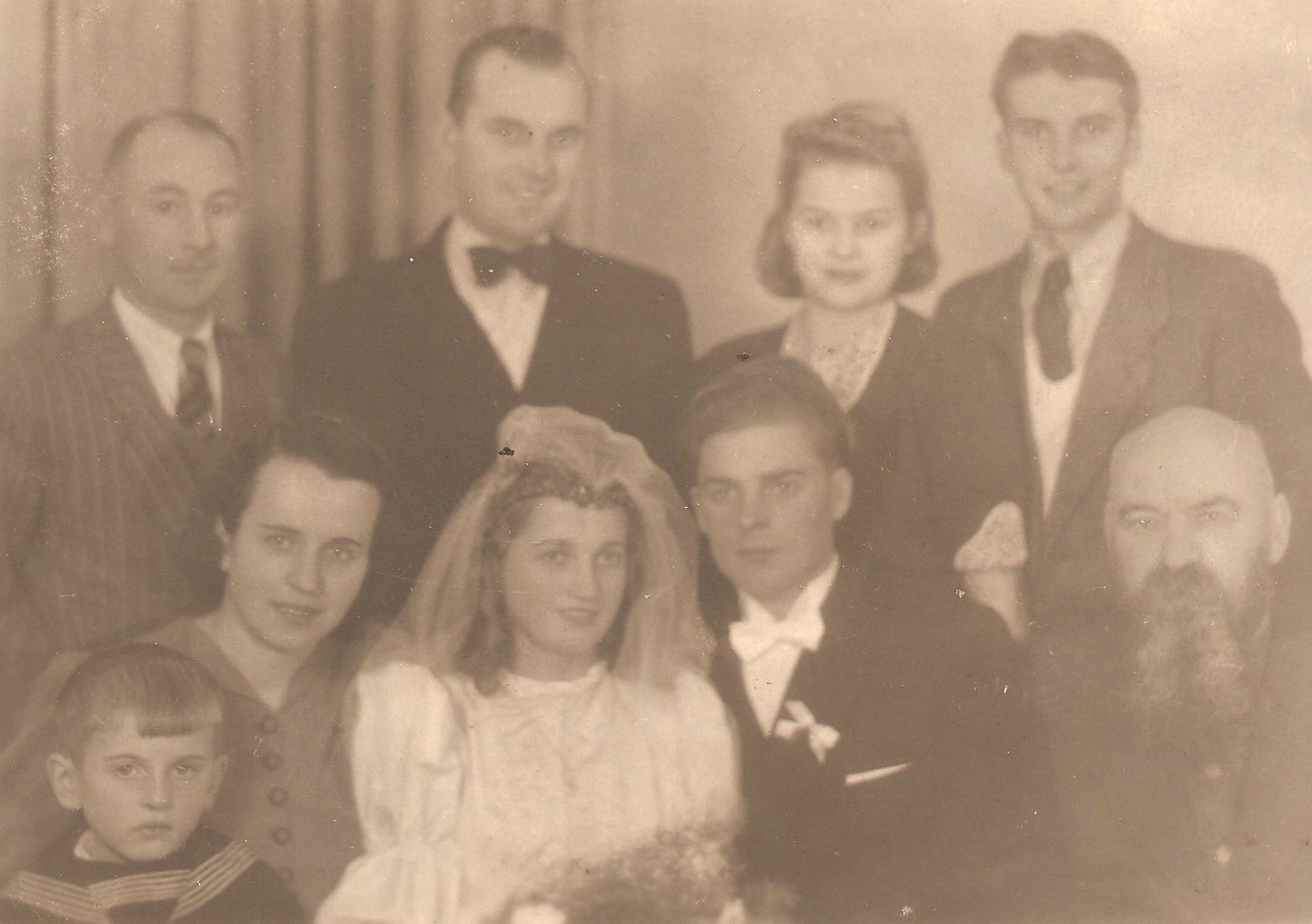
In the autumn of 1945, I married Mr. Flisiak’s very young niece—Ziutka (Józefa) Michalakówna.
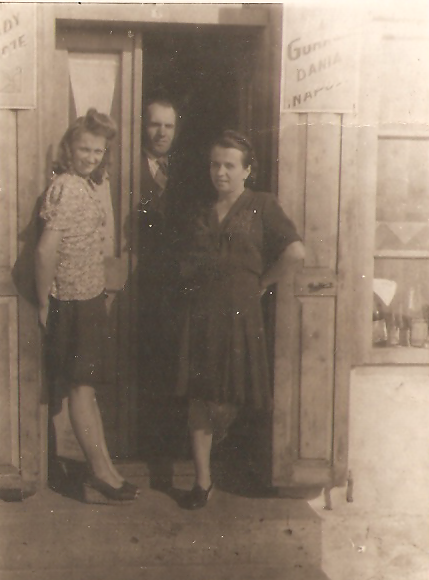
We worked together. Ziutka in the kitchen, and me wherever I was needed, but we knew things couldn’t go on like this forever. The war was over. Word was spreading about the opportunities that were supposedly opening up in the so-called Recovered Territories, while others talked about the Coast… Everywhere there was a sense of restlessness and a desire to bounce back from wartime misery and destitution. Something new was coming, and everyone who had the energy and the will was trying to establish themselves somehow.
And so, the time came for us as well.
Chapter V: The Departure
In 1946, we moved to the Coast, where I got a job at the Grand Hotel in Sopot. However, the following year, due to a much shorter commute, I transferred to work at the ‘Perła Bałtyku’ (Pearl of the Baltic) restaurant in Nowy Port. At the time, it was owned by a certain Mr. Janiszewski. This pub was a completely new experience for me. It was a true port-side dive, with the most diverse clientele imaginable. Amidst clouds of tobacco smoke, the smell of vodka, and draft beer, I served eels, fish, and whatever else the owner could get from the local fishermen. I remember once, when my Ziutka and I were walking along the wharf in the evening, we saw a decomposing drowned corpse covered in eels feeding on it. From that day on, Ziutka never touched an eel again and never ate one for the rest of her life. Prices in the establishment were low, but it was the turnover that mattered. The pub was always packed. Some drank and ate standing up, the counter was constantly besieged, and the air was so thick you could ‘hang an axe in it.’ In this relentless din, shouts, drunken roars, and laughter, shady deals and businesses went down that are hard to describe. Items were sold, bought, exchanged, and unbelievable transactions were clinched, all washed down with vodka served in one-liter bottles and beer in heavy mugs. Sailors from foreign ships mingled with Soviet soldiers, newcomers from various corners of Poland looked for profit opportunities, and it seemed that in this universal drunkenness, differences disappeared, the past didn’t exist, and the only thing binding everyone together was money. Such was the ‘Perła Bałtyku’ in the spring of 1947.
I worked there from dawn until night. My Ziutka was pregnant and, for the time being, stayed at home, trying to settle into our place. So it seemed that fortune was just about to smile upon us when an entirely unexpected event occurred. You see, an older fellow used to come to the ‘Perła’ from time to time, and without beating around the bush, he earnestly urged me to leave for America.’You’ll go, get back on your feet financially, set yourself up, and bring your wife over once everything is ready! Just think about it! What will you achieve here? How long will you have to carry around beer and booze here? Over there—in the States—it will take you a few months, maybe a year, and you’ll easily stand on your own two feet. And after that, a car, a house, a peaceful life… What do you say to that?’
This coaxing went on for some time. For the moment, I said nothing to Ziutka. I didn’t want to worry her. What would it change if she knew—I thought, already poisoned by the venom the older fellow was pouring into my ears. I didn’t know what to do. I was torn between the desire to leave and the fear of leaving Ziutka behind by herself, but the urge to depart prevailed. I decided to leave her some money and a letter, telling her to return to Sochaczew, to her uncle Wicek, and wait for word from me. In that letter, I promised her a bright future in America—though to tell the truth, I wasn’t entirely sure of it myself. I felt absolved. Rumors of another impending war were circulating everywhere, reality was harsh, and the work at the ‘Perła’ was taking a toll on me.
Even so, I wouldn’t have made the decision had it not been for one evening when the older fellow rushed into the restaurant and, in a nervous whisper, said that a ship named the ‘Victory’ was setting sail for America that very night and that I had to decide immediately. And so, I made my decision and followed him. Just as I stood. I only took off my waiter’s jacket, and we headed to the port. From a certain distance, I spotted ‘my’ ship. I knew the type. They arrived carrying UNRRA aid cargo.
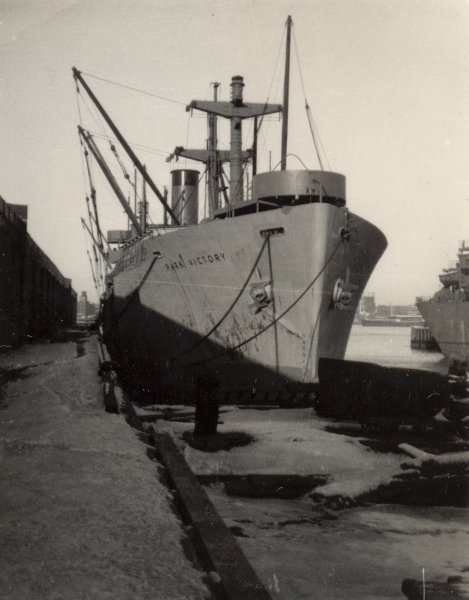
It was one of a dozen or so American ships that brought UNRRA supplies to Poland. This one had brought a cargo of horses and cattle and was returning empty to America. So there was room for a dozen or so passengers. I paid the older fellow the previously agreed-upon rate, and we boarded the vessel. He greeted the crew, and it was clear they knew each other. Later, he disappeared. As I was told, he went ashore… I was in a state of immense turmoil, which, however, began to pass, because the moment we pushed off from the wharf, my decision about America grew stronger and I felt I was doing the right thing. It was already then that I identified myself as Rawicz. That was the surname I decided to adopt permanently. The voyage began for me in almost total darkness, as I sat deep below deck, hidden from the Border Protection Troops (WOP) patrol, which meticulously checked whether anyone was escaping the country. After a long time, I went upstairs, but the deck was empty. It was rolling a bit. I sat in a corner and fell asleep.
I was awakened by a noise, some shouting, and suddenly I saw uniforms around me and was ordered to come out. This I did not expect. In my naivety, I thought the ship would take me straight to New York, to America. On the wharf, British officers were already waiting. As it turned out, we were in Kiel. This was the British occupation zone. The British controlled traffic on the Kiel Canal. All ships, including the American ‘Victory’ ships bringing UNRRA goods to Europe, had to sail this way. Without a single word, I was driven to a villa. Along with me was another man, who introduced himself as Major Skalski. I used the name Rawicz the entire time and introduced myself to him as such. We were guarded by British soldiers from the Royal Military Police. Skalski said they were military police from the Port Military Police assigned to guard the harbor.
Then came a strange time, difficult to explain. One day, I heard a voice speaking to me, but I saw no one. The impression was so strong that I jumped. It was as if someone invisible was standing right in front of me, speaking to me very clearly and forcefully. He spoke clearly, but I couldn’t understand him! At that moment, I felt as though my brain was leaking out of my head. This, too, was terrifyingly vivid. I felt a sharp pain and fainted. Someone struck me hard across the face. There was a ringing in my ears that grew louder. On the second or third day, the German police transferred me to a court in Lübeck, where I was informed that I was being sentenced to 7 months in prison for illegal border crossing. I was kept in Lübeck for two months, and then moved from prison to prison—always in some dark basements. The entire time, I had this strange ringing in my ears and heard incomprehensible conversations, which at times were so clear that they made my blood run cold. The final prison was in Rendsburg, where I stayed for 4 months. From there, I was transferred to a German hospital in Lübeck and placed in a wooden barracks, where I was subjected to a blood transfusion. I was tied down to the bed with leather straps. On the other bed next to me lay a man with his face covered. I asked then what they were going to do to me. The German doctor explained that they were going to give me a blood transfusion but knew nothing more, as he was only doing what the British ordered him to do. After this transfusion, I didn’t know who I was, I didn’t recognize my own hands, where I was, or why. I didn’t remember the moment of my release, nor the journey back to Poland. The only glimmer of memory was that I was riding in some truck, it was dark all around, and then I remember cold and silence. It seems to me that by then, I no longer heard that ringing in my ears. My memory and consciousness returned some time later, when I found myself in Połczyn-Zdrój. There, I reunited with my Ziutka. Toward the end of 1947, we returned to Warsaw and settled on Madalińskiego Street in the Mokotów district.
Chapter VI: Post-War Warsaw
It was then that I got a job at Stanisław Żelazko’s restaurant at 26 Widok Street. Żelazko was an old-school restaurateur. When hiring me as a waiter, he knew where I had worked before. He looked at me and said:’This isn’t the Europejski! You’ll have to get used to it.’
I hadn’t told him about Sochaczew or the ‘Perła Bałtyku,’ so he didn’t know that I was already seasoned in establishments like that. Żelazko was right. The pub he ran was geared toward cheap meals and a modest clientele, but the rush was unbelievable, and I must say I could barely handle it. It was work entirely on the move, almost at a run, with heavy platters balanced on my hand and amidst clouds of cigarette smoke. Half a year later, our Krysia was born.
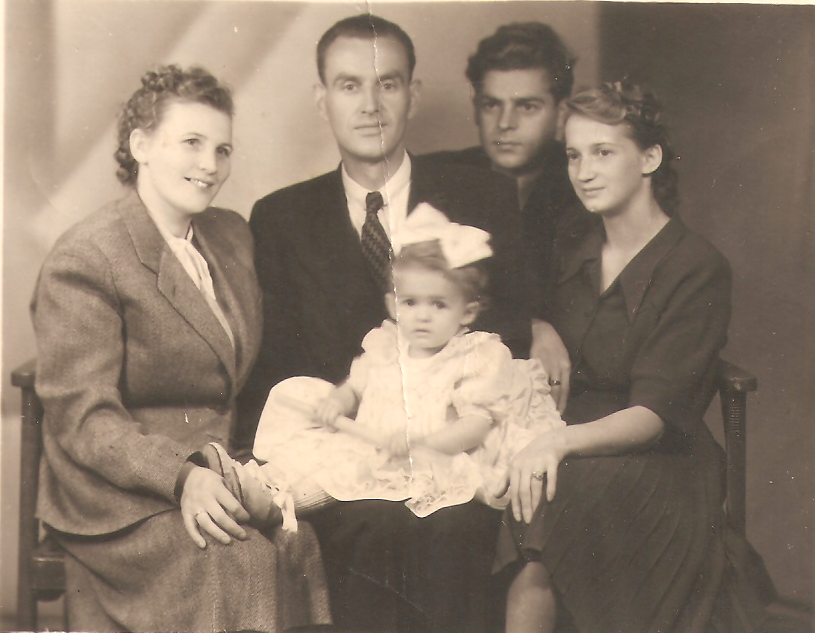
It was also then that I found a nice place for us in Marysin Wawerski, so we could finally move out of the crowded apartment on Madalińskiego Street. Commuting from Marysin to Widok Street was a bit troublesome, but it was bearable. I did not breathe a single word to Mr. Żelazko about my time in Germany. Not a single word! The year 1948 was already the height of Stalinism. People were afraid of their own shadows. It was better to remain silent about what happened during the war, where one had been, what one had done, and whom one had met. It was better to keep quiet than to talk and reminisce, only to see the officers of the Department of Public Security (UB) at your doorstep.
In the second half of the year, a wave of genuine terror struck as the government launched the so-called ‘battle for trade.’ It consisted of oppressing private entrepreneurs by slapping them with massive back-taxes, exorbitant fines, and penalties. Inspections were a daily occurrence. Mr. Żelazko struggled, tried to pay, tried to survive, but he couldn’t make it. He went under, like many others like him. His restaurant on Widok Street ceased to exist, and I was out of work once again.
Once more, we left for the Coast. To Sopot. This time, there were three of us, with our little daughter. At the Grand Hotel, they welcomed me back like an old friend.
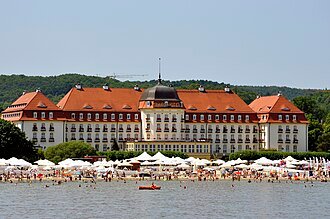
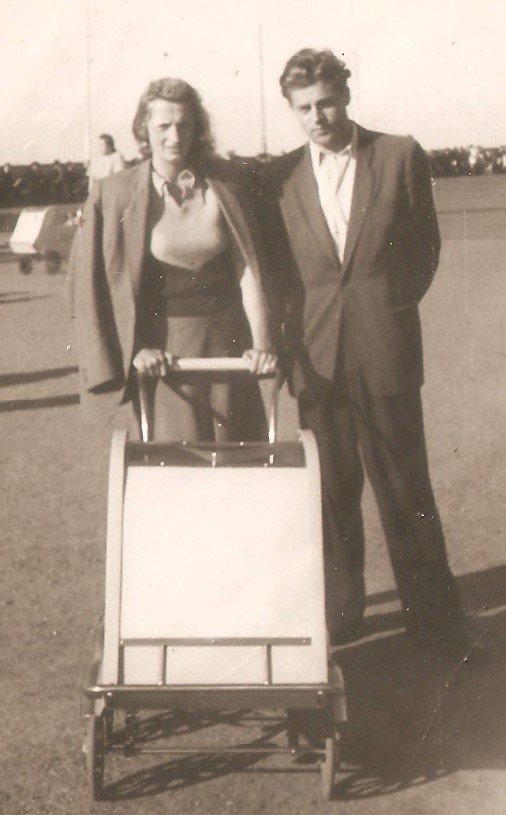
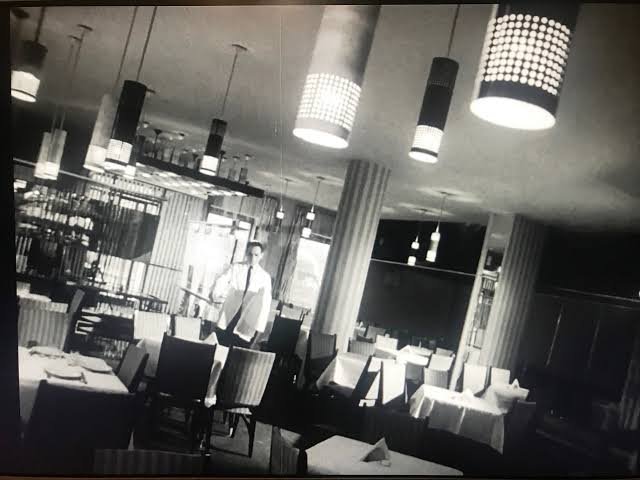
Despite this, we missed Warsaw. We returned in 1949, and almost immediately, I got a job at the underground restaurant ‘Kaskada’ (The Cascade) on Kniewskiego Street, formerly Złota Street.
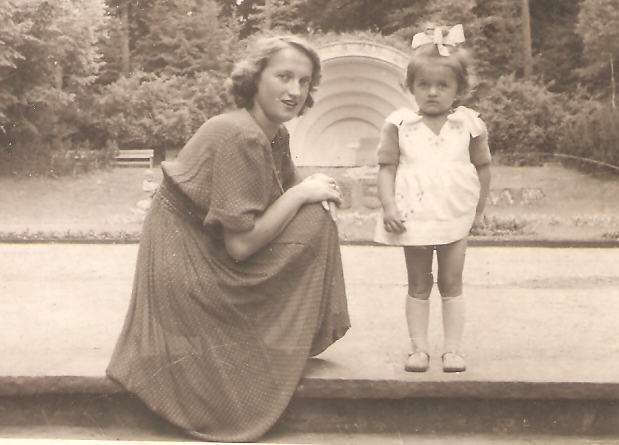
At ‘Kaskada,’ the establishment was arranged in a basement. You walked down rather steep stairs, which proved to be quite a challenge for some, especially after drinking alcohol, but on the upside, the cellars were enormous and there was plenty of room. A major downside was the poor ventilation, which really took its toll. Cigarette smoke hung over the entire venue and literally stung the eyes. I smoked quite a lot back then, but while working at ‘Kaskada,’ I might as well not have smoked at all, because just being in that ‘smoke chamber’ was equivalent to smoking. Toward morning, when it closed at four o’clock and I finally stepped out onto the street after balancing the books, I felt as if I were drunk. The fresh air hit my head, my eyes, and my lungs! I could breathe! I would walk slowly toward Hibnera Street, then turn into the Avenues—which at the time were still called Sikorskiego Avenues—and try to catch the first tram heading to the Praga district.
At that time, we lived in a very lovely manor house that had belonged to the Wapiński family before the war.
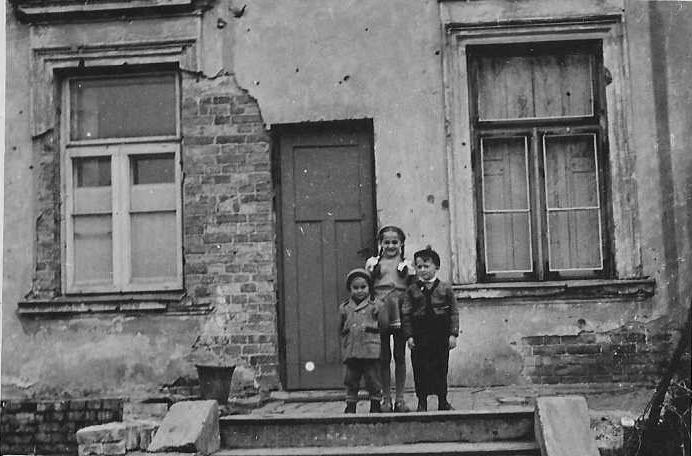
The Wapińskis were great benefactors of the convent. In 1922, Maria and Jan Wapiński made a historic decision and donated a significant portion of their land—about a dozen hectares—to the Congregation of the Sisters of St. Felix (the Felician Sisters). The Sisters built a convent, schools, the St. Felix orphanage, and a monumental church on this land, which was completed just before the war in 1939.
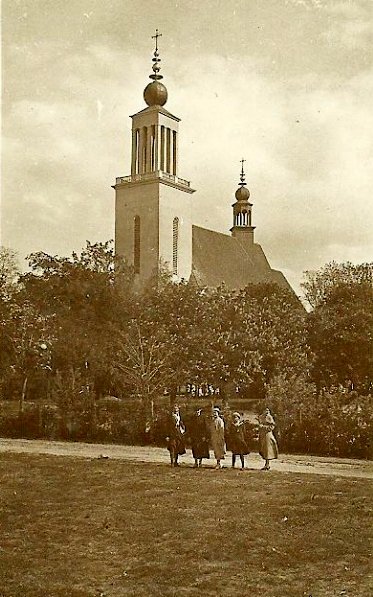
It was precisely here, on September 22, 1939, that Adolf Hitler arrived. He was accompanied by Erwin Rommel and Heinrich Himmler. Hitler climbed the tower of the newly built church, from where he observed the artillery shelling of the defending districts of Grochów and Warsaw.
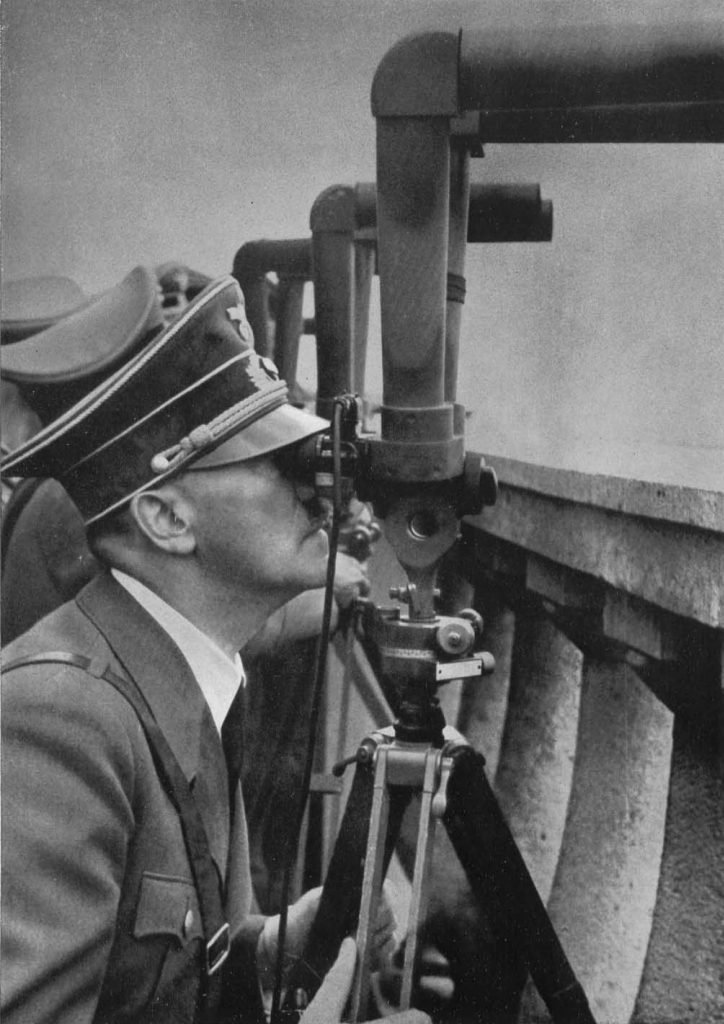
Our apartment in the Wapiński manor house was public housing (municipal accommodation), because the entire estate and its grounds had been nationalized. The house was divided into several apartments. The Wapińskis occupied one of them, while we and the other tenants were each assigned a small flat. The manor was surrounded by a magnificent park, century-old trees, and beautiful grounds. Right next to it was a wonderful pine forest, so the air was truly balsamic.
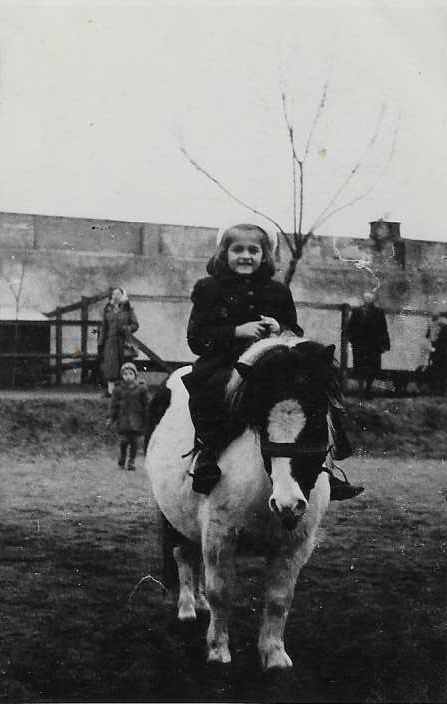
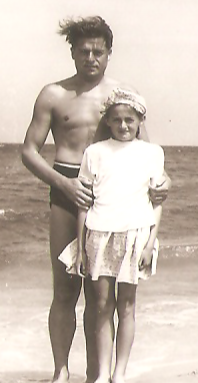
For my lungs, which were poisoned during my shifts at ‘Kaskada,’ this place was a veritable clinic that rejuvenated my toxic system. In 1950, Ziutka was pregnant with our second child, little Krysia was running around the park, the neighbors were kind and helpful, and I felt that it was here, in these balsamic surroundings, that I was finally recovering. I didn’t even want to think about my ordeal with British intelligence, but even so, there were times when I would wake up from a heavy sleep screaming, drenched in a cold sweat, and sit up in bed while Ziutka tried to calm me down. In 1951, our son Waldek was born, bringing us immense joy, but there was one thing that sparked my anxiety.
You see, a fellow started coming to ‘Kaskada’ who persistently pressured me to cooperate with the secret police apparatus. He pestered me several times, and finally declared that he expected my definitive commitment. A week went by. During that entire time, I slept only two hours a day, couldn’t eat, and my Ziutka was terrified that I had fallen ill. I wrestled with my thoughts. After all, I had a family to support! A wife and two small children! On the other hand, I could not agree to this cooperation! Under no circumstances! Above all else, I was a soldier and an insurgent, and any collaboration with the communist occupiers was unthinkable to me!
I decided to refuse. I told my wife everything, and she supported my decision. When the undercover agent appeared at the venue again and started questioning me, I told him straight to his face that I wasn’t cut out to be an informant and that he shouldn’t count on me.’You’ll regret this,’ he replied with a wicked smile.
A few days later, I was fired from my job. Hard days and weeks followed. I tried to land a job somewhere, but to no avail. Everywhere they demanded a resume and a reference from the last place of employment, followed by a few days of waiting, and ultimately a rejection. Finally, I managed to secure a spot at the Mokotów restaurant ‘Złota Rybka’ (The Goldfish) on Puławska Street.
This was already in 1955. In July, the World Festival of Youth and Students took place—the first cautious opening of the Iron Curtain and the first breath of the West. One could feel very clearly that something new was coming.
While working at ‘Złota Rybka,’ I constantly felt that this job was just a means of survival. I was certain that a better opportunity would open up and I would return to my Europejski or Bristol. And then came October 1956, and everything began to look brighter!
Chapter VII: The Grand Hotel, Europejski, and Victoria
In 1958, I got a job at the newly opened, luxurious Grand Hotel on Krucza Street.
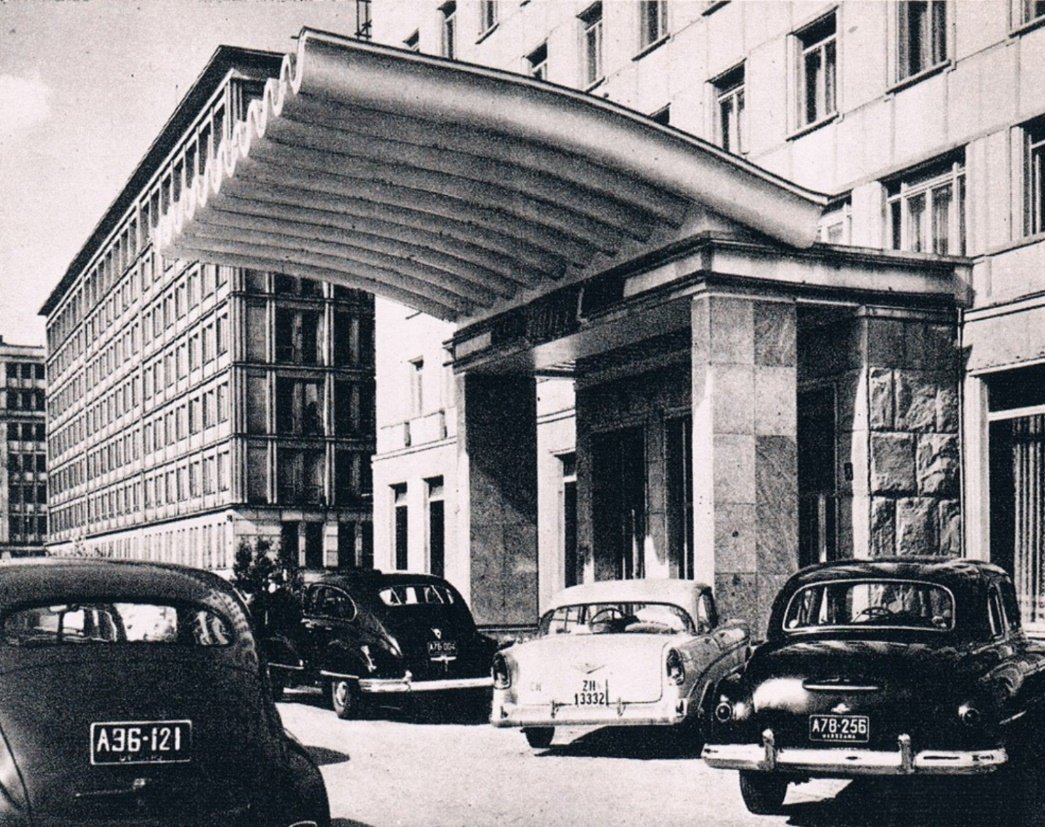
Truly good times began for us, as the political realities were entirely different by then. This was post-October Poland, a Poland that had begun to breathe! After the stifling Stalinist night, better years were beginning. Working at the Grand provided opportunities to interact with foreign guests, which meant good tips and other perks… Two years earlier, we had moved from the Wapiński manor house into our own home on Storczykowa Street in Marysin. So, we were on our own! Entirely on our own!
I worked at the Grand Hotel until 1967, at which point I was officially transferred to the Europejski, which, like the Grand and the Bristol, as well as several other hotels and restaurants, fell under Orbis (the state travel agency).
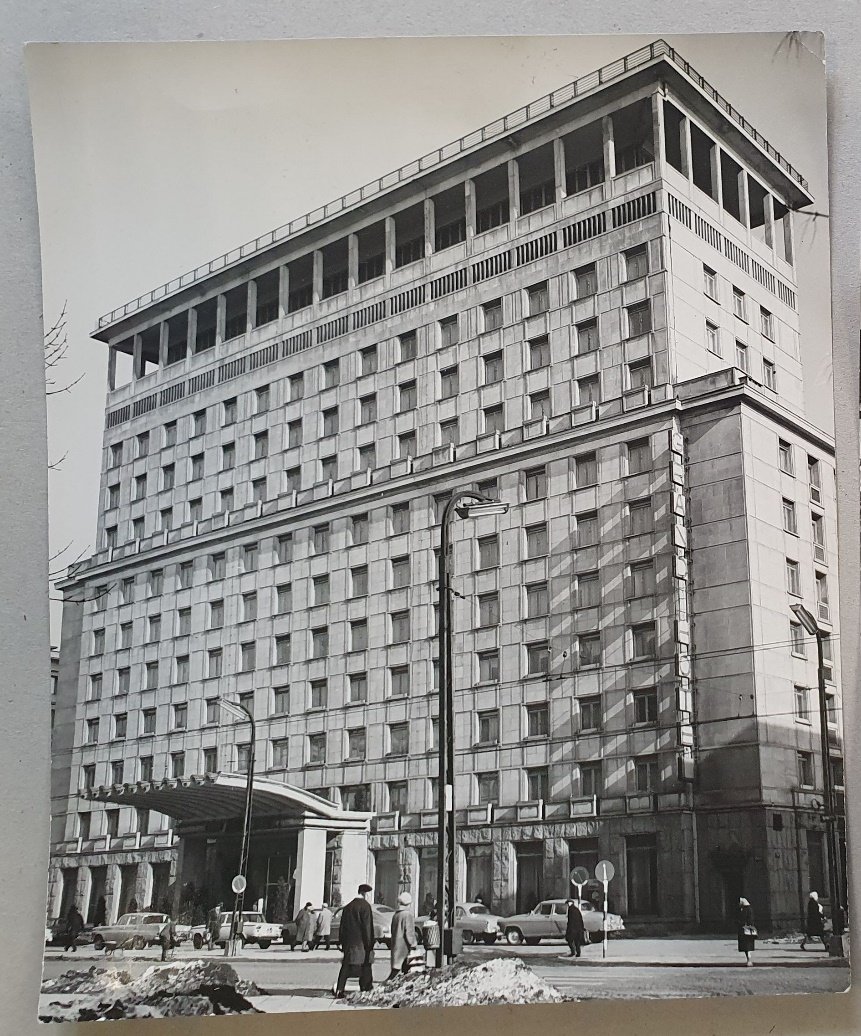
Once again, I was right back where I had started as an apprentice nearly thirty years earlier! I felt right at home! This time, however, I didn’t go to work in the restaurant, but rather in the nightclub known as ‘Kamieniołomy’ (The Quarries), which was accessed from Ossolińskich Street. In those days, it was without a doubt the best nightlife spot in Warsaw. Once again, I was pouring champagne, serving splendid Chateaubriands, caviar, and other delicacies, but the clientele was entirely different from when I started out in 1937! A different clientele and different behaviors. Well—I had to get used to it.
The 1970s brought family changes, as my children got married and grandchildren began to be born. In 1978, I was officially transferred to the newly opened ‘Victoria’ hotel, which, like the Europejski, was managed by Orbis. This was a position in the hotel’s nightclub, ‘Czarny Kot’ (The Black Cat).
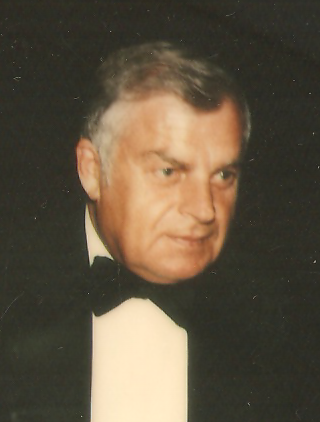
I stayed there until 1984, which is when I retired.”
APPENDIX: The Complete Descendants of Józef Gugała (Gągałka)
GENERATION 1
- 1. JÓZEF GUGAŁA
- Spouse: Antonina Ostrzyżek
- Children:
- 2. i. KAROL GUGAŁA (Born: 1800 – Died: 1854) [See Gen 2, #2]
GENERATION 2
- 2. KAROL GUGAŁA
- Spouse 1: Ewa Klacz
- Spouse 2: Salomea Korda
- Children (with Ewa Klacz):
- 3. i. MIKOŁAJ GĄGUŁKA (Born: 1842) [See Gen 3, #3]
- ii. MARIANNA GĄGAŁKA
- iii. BARBARA GĄGAŁKA
GENERATION 3
- 3. MIKOŁAJ GĄGUŁKA
- Spouse: Rozalia Bakiera (Born: 1840 – Died: 1896; Daughter of Jan Bakiera & Teresa Przybysz)
- Marriage: 1861 in Nowodwór
- Children:
- 4. i. ZOFIA GĄGAŁKA (Born: 1867 – Died: 1913) [See Gen 4, #4]
- 5. ii. PAWEŁ GĄGAŁKA (Born: 1873 – Died: 1939) [See Gen 4, #5]
- 6. iii. JAN GĄGAŁKA (Born: 1880 – Died: ~1917) [See Gen 4, #6]
- 7. iv. STANISŁAW GĄGAŁKA (Born: 1883 – Died: 1931) [See Gen 4, #7]
- v. ANTONINA GĄGAŁKA (Spouse: Tomasz Pułka)
GENERATION 4
- 4. ZOFIA GĄGAŁKA
- Spouse: Józef Goc (Born: 1869)
- Children:
- i. JAN GOC
- ii. 3 OTHER CHILDREN
- 5. PAWEŁ GĄGAŁKA
- Spouse: Feliksa Niebrzydowska (Born: 1879 – Died: 1961; Daughter of Aleksander Walenty Niebrzydowski & Anna Bancerz)
- Marriage: Jan 30, 1899 in Sobieszyn
- Children:
- 8. i. JÓZEF GĄGAŁKA (Born: 1900 – Died: 1974) [See Gen 5, #8]
- 9. ii. LUDWIK GĄGAŁKA (Born: 1902 – Died: 1991) [See Gen 5, #9]
- iii. ZOFIA GĄGAŁKA (Born: 1905 in Wola Gułowska)
- iv. ANNA GĄGAŁKA (Born: 1905 – Died: 1905)
- 10. v. STANISŁAWA GĄGAŁKA (Born: 1911) [See Gen 5, #10]
- vi. MARIA GĄGAŁKA (Born: 1914 – Died: 1975) (Spouse: Julian Rusek, d. 1975)
- 11. vii. WACŁAW GĄGAŁKA (Born: 1916 – Died: 2004) [See Gen 5, #11]
- 12. viii. STANISŁAW GĄGAŁKA (The Memoirist) (Born: 1919 – Died: 2004) [See Gen 5, #12]
- 13. ix. HELENA GĄGAŁKA (Born: 1921 – Died: 1993) [See Gen 5, #13]
- 14. x. LUCYNA GĄGAŁKA (Born: 1926) [See Gen 5, #14]
- 6. JAN GĄGAŁKA
- Spouse: Marianna Latusek (Died: 1965)
- Children:
- 15. i. ANTONI GĄGAŁKA (Born: 1913 – Died: 1980) [See Gen 5, #15]
- ii. TOMASZ GĄGAŁKA
- iii. PAULINA GĄGAŁKA
- iv. EDWARD GĄGAŁKA
- v. LEON GĄGAŁKA
- 7. STANISŁAW GĄGAŁKA (Sr.)
- Spouse: Katarzyna Owcarz (Born: 1888 – Died: 1971)
- Children:
- i. HELENA GĄGAŁKA (Born: 1915 – Died: 1996) (Spouse: Aleksander Rybak, 1904–1975)
GENERATION 5
- 8. JÓZEF GĄGAŁKA
- Spouse: Helena Prządka (Born: 1918 – Died: 2010; Married: 1939 in Kłoczew)
- Children:
- 16. i. ZOFIA GĄGAŁKA (Born: 1941) [See Gen 6, #16]
- ii. HENRYK GĄGAŁKA (Born: 1951)
- 17. iii. ZENON GĄGAŁKA [See Gen 6, #17]
- 9. LUDWIK GĄGAŁKA
- Spouse: Władysława Cieślak (Born: 1908 – Died: 2004; Married: 1930 in Wola Gułowska)
- Children:
- 18. i. CZESŁAW GĄGAŁKA (Born: 1932 – Died: 2008) [See Gen 6, #18]
- ii. JADWIGA WANDA GĄGAŁKA (Born: 1940 – Died: 2019)
- 10. STANISŁAWA GĄGAŁKA
- Spouse: Antoni Bosek
- Children:
- i. ANNA BOSEK
- 11. WACŁAW GĄGAŁKA
- Spouse: Zyta Kierzek (Born: 1923 – Died: 1986)
- Children:
- 19. i. PIOTR ANDRZEJ GĄGAŁKA (Born: 1949) [See Gen 6, #19]
- ii. WOJCIECH MACIEJ GĄGAŁKA (Born: 1952)
- iii. PAWEŁ JAN GĄGAŁKA (Born: 1956)
- 12. STANISŁAW GĄGAŁKA (The Memoirist)
- Spouse: Józefa Michalak (Born: 1928 – Died: 2018; Daughter of Władysław Michalak & Helena Flisiak; Married: 1945)
- Children:
- 20. i. KRYSTYNA JOLANTA GĄGAŁKA (Born: 1948) [See Gen 6, #20]
- 21. ii. WALDEMAR STANISŁAW GĄGAŁKA (Born: 1951) [See Gen 6, #21]
- 13. HELENA GĄGAŁKA
- Spouse: Tomasz Szczepaniak (Born: 1923 – Died: 2004)
- Children:
- i. JAN SZCZEPANIAK (Born in Niedźwiedź)
- ii. N. SZCZEPANIAK CZELEJ
- iii. N. SZCZEPANIAK STAŃCZAK
- 14. LUCYNA GĄGAŁKA
- Spouse: Piotr Łaba
- Children:
- i. ROMAN ŁABA
- ii. ANDRZEJ ŁABA
- iii. MIROSŁAW ŁABA
- iv. LUCJAN ŁABA
- 15. ANTONI GĄGAŁKA
- Spouse: Stefania Pyrka (Died: 2001)
- Children:
- 22. i. JAN GĄGAŁKA (Born: 1941) [See Gen 6, #22]
- 23. ii. STANISŁAW WOJCIECH GĄGAŁKA (Born: 1946) [See Gen 6, #23]
- 24. iii. TADEUSZ JÓZEF GĄGAŁKA (Born: 1951) [See Gen 6, #24]
- iv. TERESA GĄGAŁKA (Born: 1952)
- v. REGINA GĄGAŁKA (Spouse: Kazimierz Stępień)
GENERATION 6
- 16. ZOFIA GĄGAŁKA
- Spouse: Stefan Dziadczyk
- Children:
- i. MICHAŁ DZIADCZYK (Born: 1971)
- ii. ANNA DZIADCZYK
- 17. ZENON GĄGAŁKA
- Children:
- i. ANNA GĄGAŁKA
- ii. DARIUSZ GĄGAŁKA
- Children:
- 18. CZESŁAW GĄGAŁKA
- Spouse: Anna Jaruszewska (Born: 1932 – Died: 2018)
- Children:
- i. JERZY GĄGAŁKA
- 19. PIOTR ANDRZEJ GĄGAŁKA
- Spouse: Maria Teresa Kurzyńska (Born: 1954)
- Children:
- i. KLAUDIUSZ SEBASTIAN GĄGAŁKA (Born: 1974)
- ii. KAROL GĄGAŁKA (Born: Nov 3, 1978 – Died: Nov 3, 1978)
- iii. OLIVER PETER GĄGAŁKA (Born: 1985 in Germany)
- 20. KRYSTYNA JOLANTA GĄGAŁKA
- Spouse: Marcin Krzysztof Baraniecki (Born: 1949; Married: 1977; Son of Kazimierz Baraniecki & Małgorzata Paygert)
- Children:
- i. MATTHEW BARANIECKI (Born: 1978) [See Gen 7 for marriage]
- ii. PETER MARK BARANIECKI (Born: 1984) [See Gen 7 for marriage]
- iii. PAUL MICHAEL BARANIECKI (Born: 1984) [See Gen 7 for marriage]
- 21. WALDEMAR STANISŁAW GĄGAŁKA
- Spouse 1: Zofia Znój (Born: 1953; Married: 1977 in Vancouver; Daughter of Wiktor Znój & Henryka Witkowska)
- Spouse 2: Rose Lim Geok Yan (Born: 1954 in Malaysia; Married: 1997 in Richmond; Daughter of John Lim & Wee Gek Neo)
- Children (with Zofia Znój):
- i. KATHERENE ISABEL GĄGAŁKA (Born: 1981) [See Gen 7 for marriage]
- ii. JENNIFER KRISTINE GĄGAŁKA (Born: 1984)
- Children (with Rose Lim Geok Yan):
- iii. NATALIE JANE GAGALKA (Born: 1997) [See Gen 7 for marriage]
- 22. JAN GĄGAŁKA
- Spouse: Alicja
- Children:
- i. DARIUSZ GĄGAŁKA
- ii. AGATA GĄGAŁKA (Spouse: Michał Rygała)
- iii. MONIKA GĄGAŁKA
- 23. STANISŁAW WOJCIECH GĄGAŁKA
- Children:
- i. KRZYSZTOF GĄGAŁKA
- ii. GRZEGORZ GĄGAŁKA
- Children:
- 24. TADEUSZ JÓZEF GĄGAŁKA
- Spouse: Barbara
- Children:
- i. IWONA GĄGAŁKA
- ii. SEBASTIAN GĄGAŁKA
- iii. RAFAŁ GĄGAŁKA
GENERATION 7
- Marriages of Krystyna Jolanta Gągałka’s children:
- MATTHEW BARANIECKI (Born: 1978)
- Spouse: Marilyne Arsenault-Baillargeon (Born: 1986; Married: 2016 in Canada; Daughter of Joseph Baillargeon & Marie Arsenault)
- PETER MARK BARANIECKI (Born: 1984)
- Spouse: Jamie Lee Nitsopoulos (Born: 1985; Married: 2012 in Canada; Daughter of James Nitsopoulos & Minnie Kotsopoulos)
- PAUL MICHAEL BARANIECKI (Born: 1984)
- Spouse: Stephanie Diana Moroney (Born: 1986; Married: 2016 in Canada; Daughter of Lawrence Moroney & Carol Perks)
- MATTHEW BARANIECKI (Born: 1978)
- Marriages of Waldemar Stanisław Gągałka’s children:
- KATHERENE ISABEL GĄGAŁKA (Born: 1981)
- Spouse: Alain Milot
- NATALIE JANE GAGALKA (Born: 1997)
- Spouse: Gary Sanghera (Married: Oct 5, 2024 in Vancouver, Canada)
- KATHERENE ISABEL GĄGAŁKA (Born: 1981)