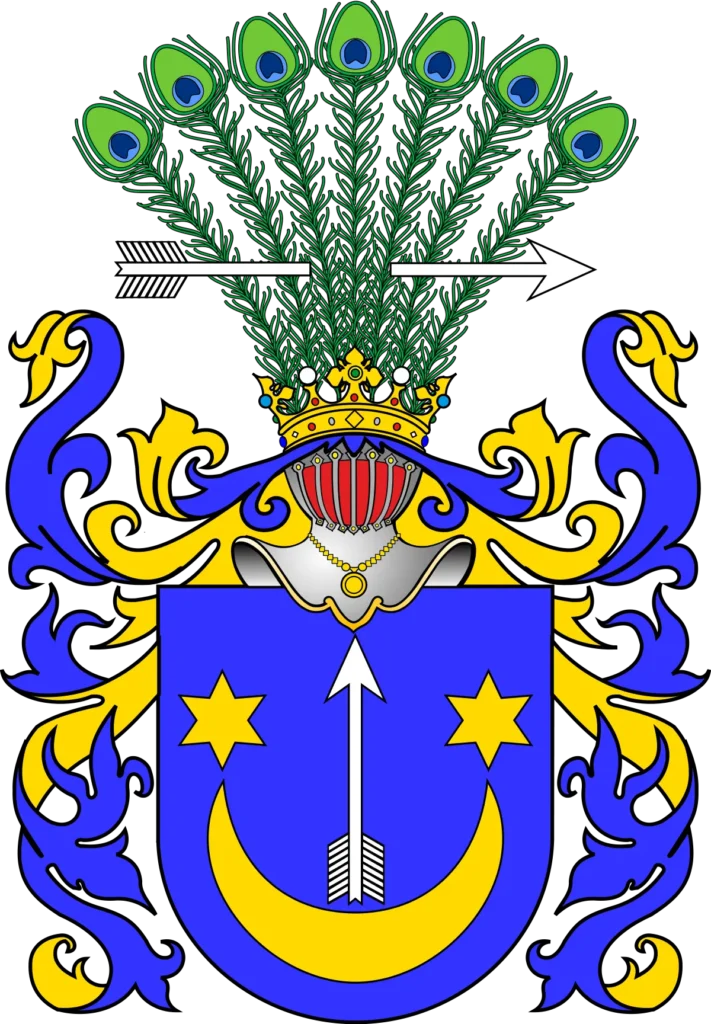
The Pharmacy Under Providence
History of the Baraniecki Family is so much attached to our Pharmacy, that it is impossible to separate them. That was Pharmacy “Under Providence” in Dynów in Southern Poland.
Contents
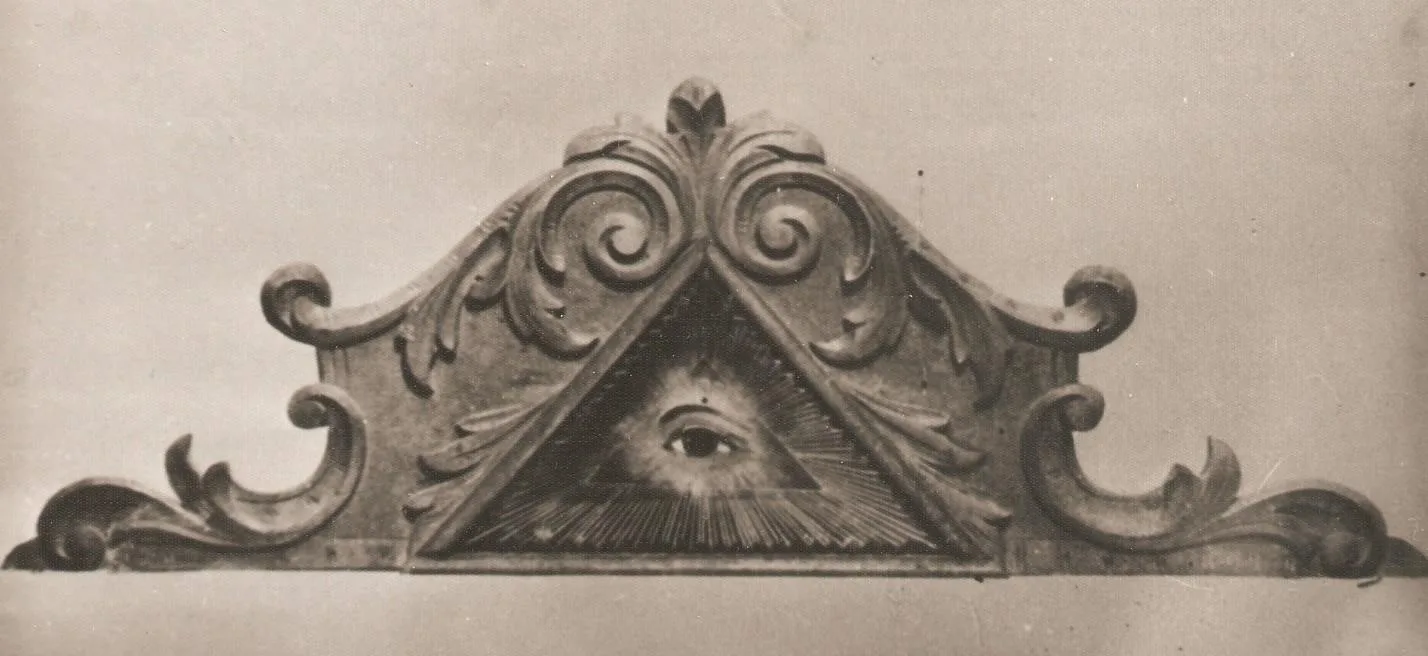
IntroductionOur Pharmacy crest, the “Eye of Providence”
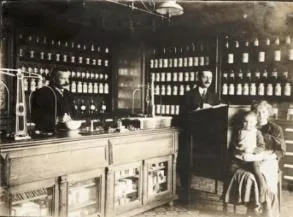
Probably only the oldest inhabitants of Dynów remember that for over 150 years, the only pharmacy in Dynów was “Pharmacy under Providence” belonged to Baraniecki family.
Over many years, it served not only the city’s inhabitants, but also the surrounding villages, sometimes very distant ones. It was therefore a serious and very necessary institution.
The pharmacy existed in the city from the first half of the 19th century, always in the hands of the same family.
In the Baraniecki family, the profession of a pharmacist was passed on, sometimes with difficulties, from father to son, and after the 4th generation it ended in Kazimierz (1909-1995). It was so fused with the family tradition that it never even occurred to the eldest son (even if he had other interests) that he might choose a different profession.
1813 to 1845The first pharmacy in Dynów
The first mention of the establishment of a pharmacy comes from October 16, 1813, which existed then as a branch of Józef Szczerbicki’s pharmacy in Sanok. Its tenant or, as it was then called, provisional, was a pharmacist, Wojciech (Adalbert) Okoński.
On May 22, 1817, he separated from the Sanok pharmacy and bought it into his own.
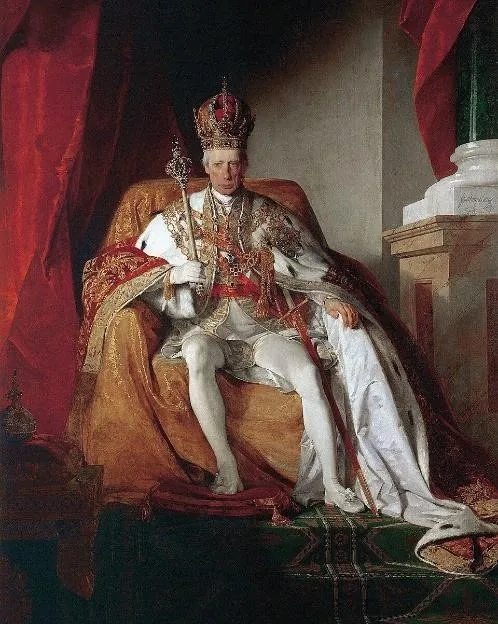
In the same year, 1817, the Austrian Emperor Francis I granted the pharmacy the right of inheritance. It then became, according to the nomenclature of the time, a “real” pharmacy.
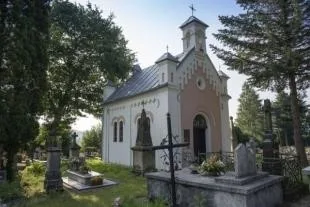
During his 32 years of work, Okoński built a tomb chapel in the oldest cemetery in Dynów, which still exists today, as the final resting place of his family, and this is evidenced by a stone embedded in its wall.
1832 to 1855Feliks Antoni Baraniecki
In 1832, Wojciech’s young nephew, Feliks Antoni Baraniecki, came to Dynów. Born on June 9, 1813 in Lisia Góra, near Tarnów, a talented pharmacist, and in later years, a social activist.
Feliks’s parents were Franciszek and Salomea née Okońska, Wojciech’s sister.
Feliks bought Okoński’s pharmacy in 1845 and became its owner. At the same time, he became the owner of a brick house at number 25.
This year marks the beginning of history of the Baraniecki family pharmacy in Dynów, a Pharmacy called “Under Providence”.
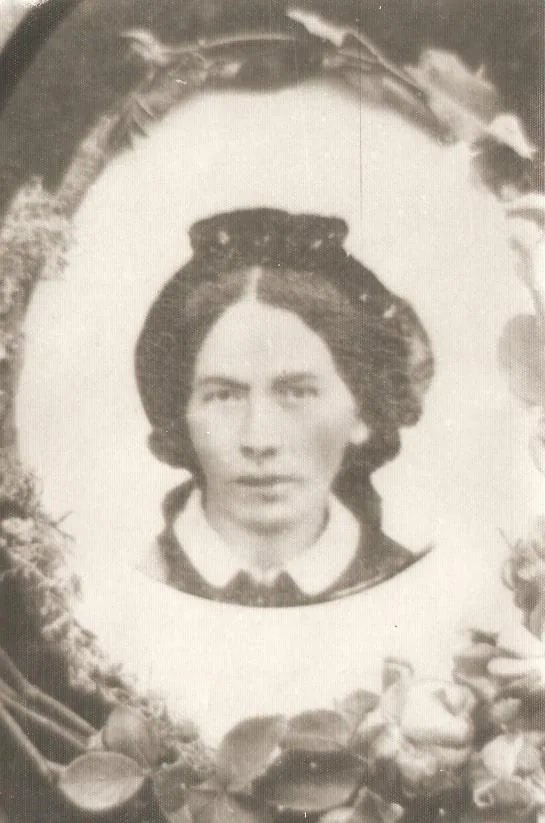
A year later, on May 10, Feliks married 19-year-old Karolina Papst. Her parents, Krystian and Karolina Kampf, came from Czerniowce in Bukovina.
Feliks was a talented, ambitious and enterprising man. The excellent pharmacist prepared most of the medicines himself, as was customary back then, using, among others, from herbs and medicinal roots, previously growing them appropriately and then drying them.
His tried and tested recipes were included in the Austrian Pharmacopoeia. The pharmacy also produced medicinal soaps, sulfur soaps, tar soaps, etc.
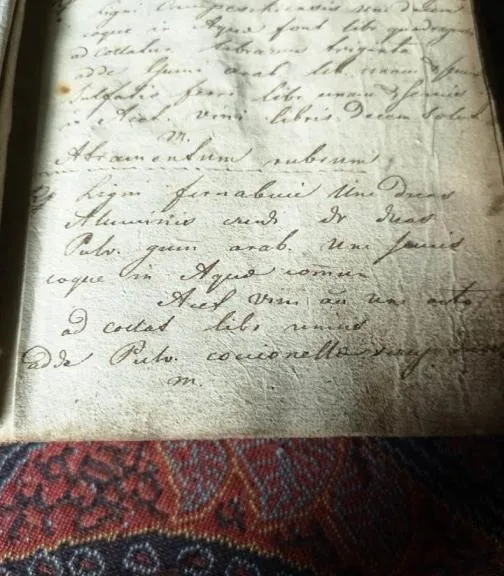
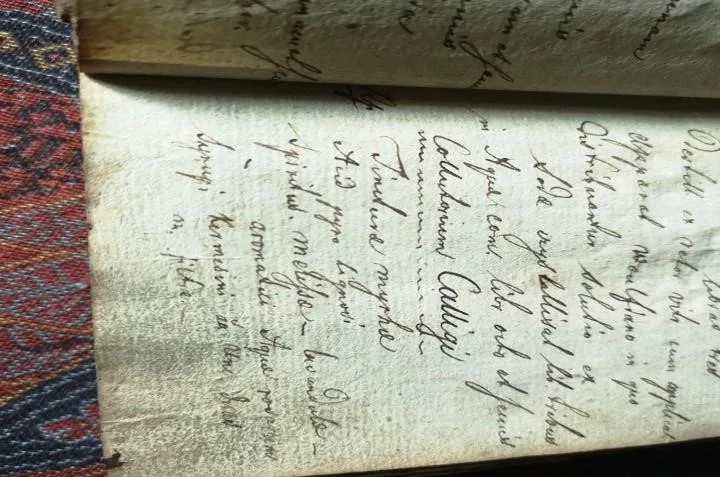
Original prescriptions from around 1850 written by Feliks Baraniecki
Here are few items from this old Pharmacy:
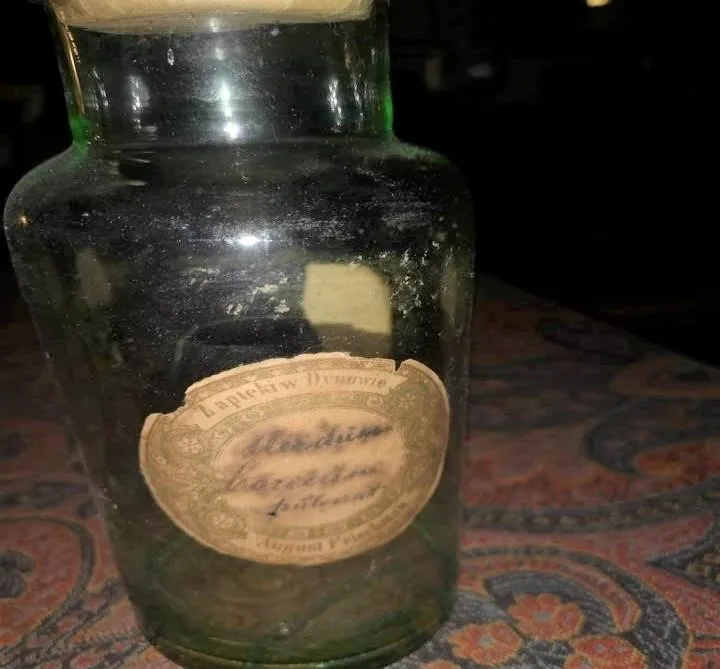
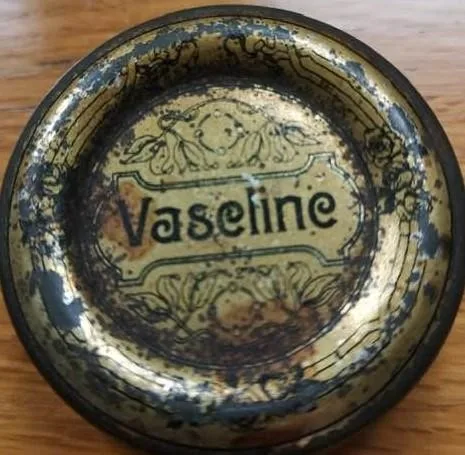
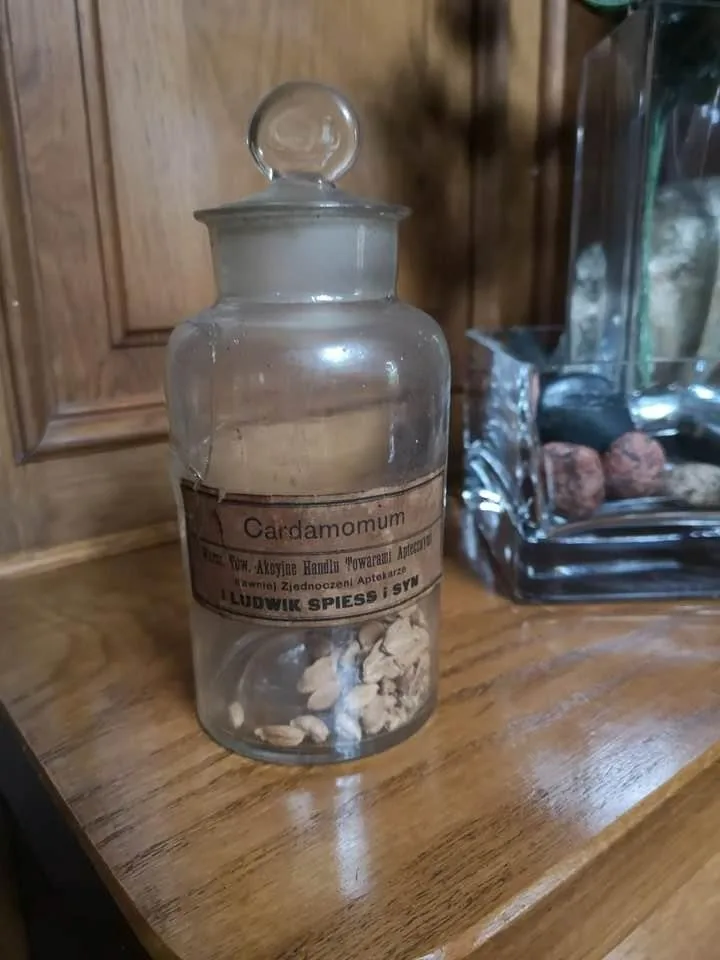
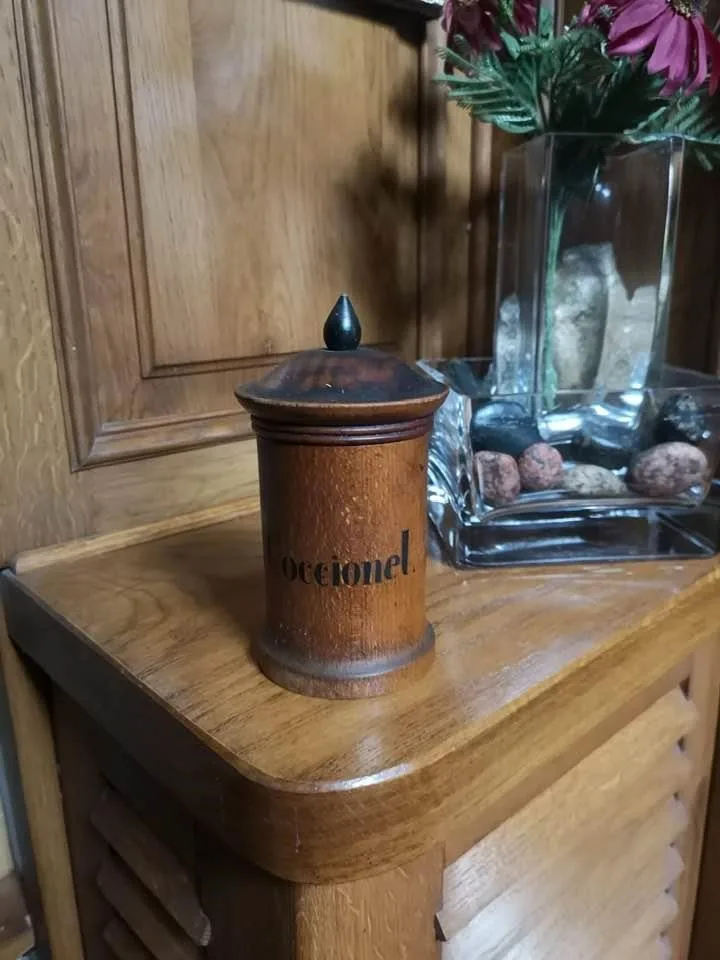
Wax candles were also produced. In the garden, behind the pharmacy, in addition to the apiary, there was also a device used for meteorological measurements. But it also had another meteorological peculiarity: a barometer in the form of a house in which there was a figurine of a monk.
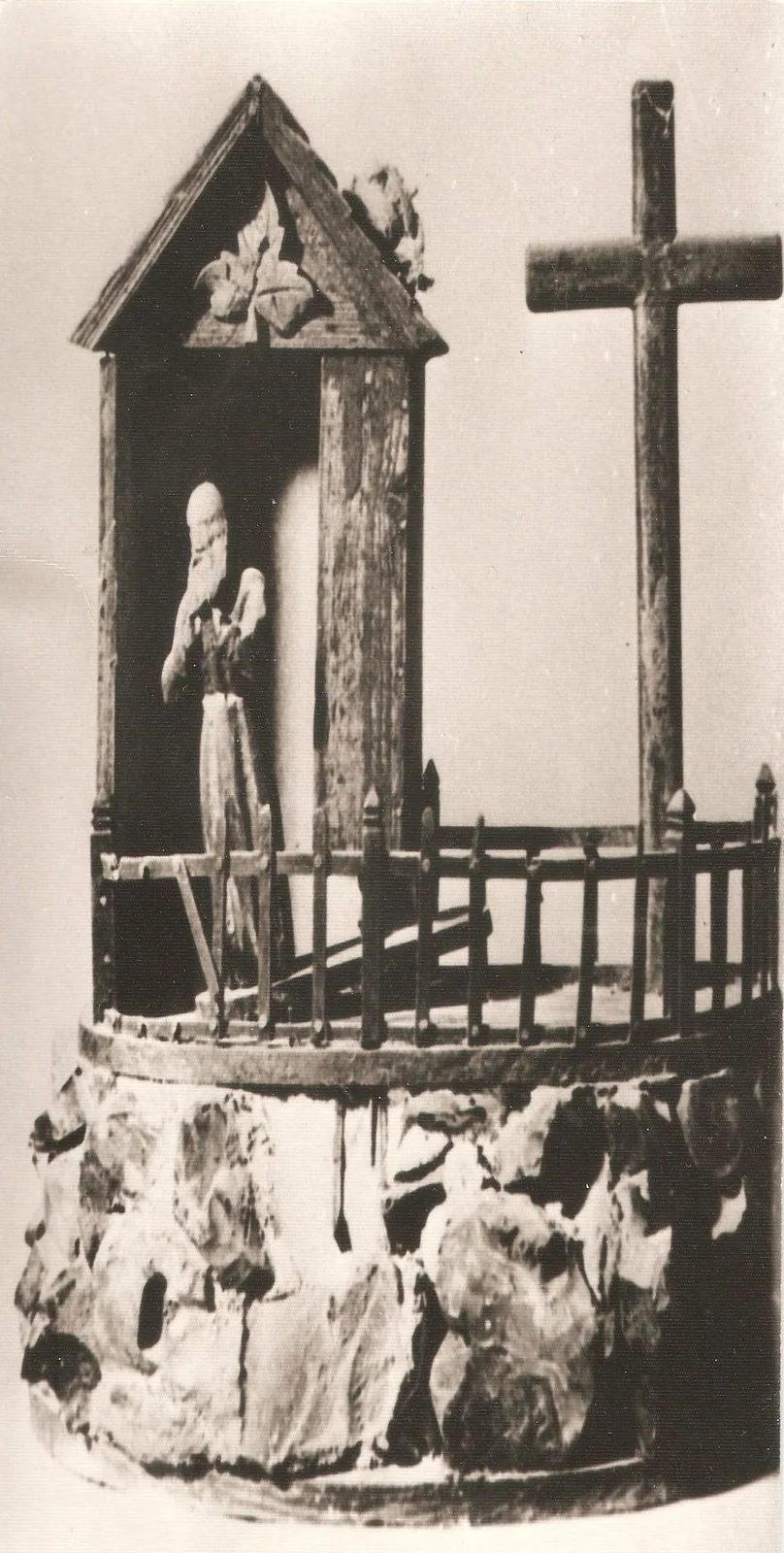
The house was situated on a hill made of colorful stones. During the rain, the monk stayed at home, and when the weather was nice, on a special support pulled up by a bristle, he swam out of the house to the cross, where he prayed from the missal.
The apparatus was made by Dynów craftsmen around 1850. It stood in the pharmacy window and on market days, large crowds came to look at it. There was a post office next to the pharmacy, along with a stable of horses (6 pairs), equipment and post offices.
It ran on the Dynów to Błażowa (north) and Dynów to Dydnia (south) route. In addition to the post office itself, the postilion also transported travelers who, after the route, transferred to trains to Rzeszów, Brzozów or Sanok.
In addition, Feliks founded an Advance Cash Fund in the pharmacy, i.e. a bank where people’s capital was deposited for interest and for granting loans to farmers and merchants.
Feliks also provided fire and hail insurance, i.e. the so-called belay. Finally, he was also a city councilor in Dynów.
1847 to 1905The children of Feliks and Karolina
From his marriage with Karolina, 6 children were born: Władysław, 1847 (later major of the Austrian army); twins Wanda-Salomea, 1849 (later Frischman) and Felicja; Helena, 1851 (later Chodzińska); Stefania, 1853 (later Niewolkiewiczowa) and Maria, 1855 (later Długoszowa).
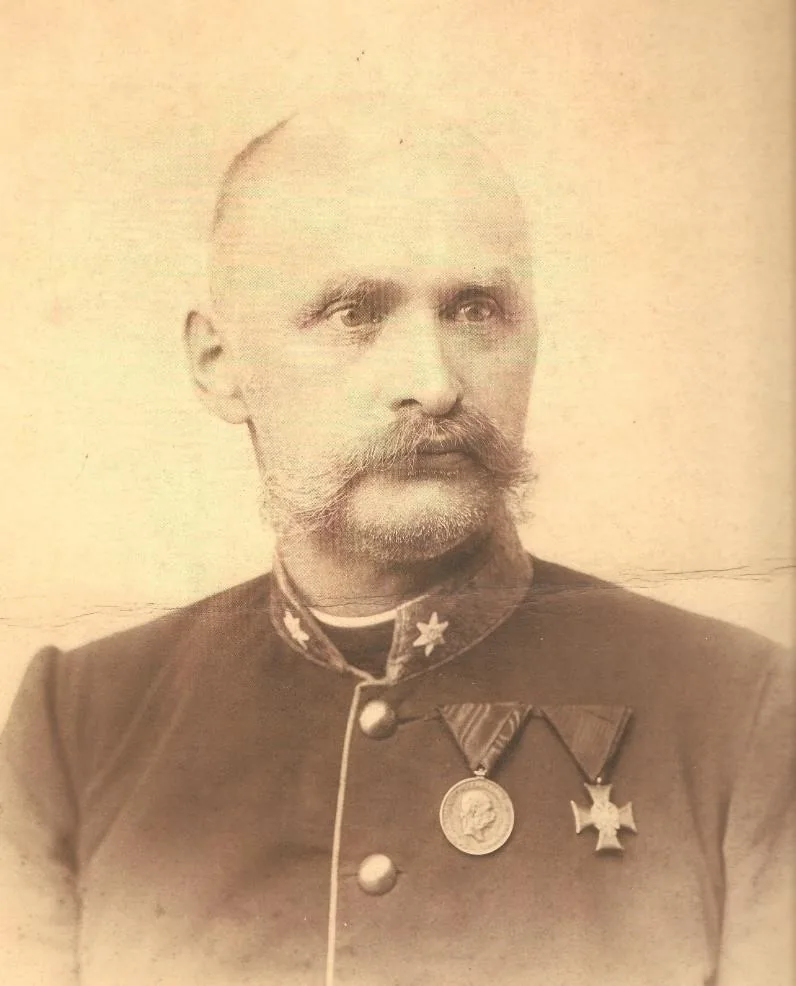
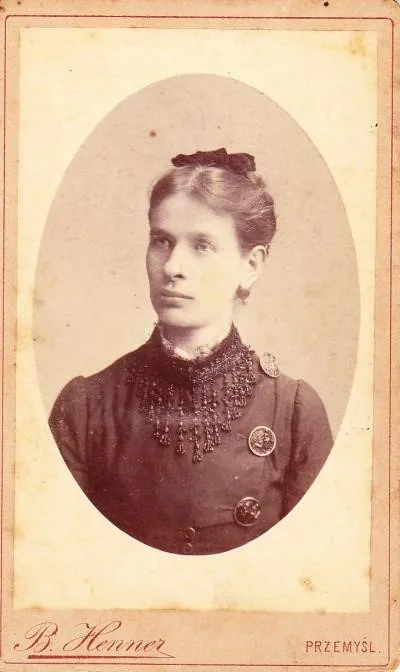
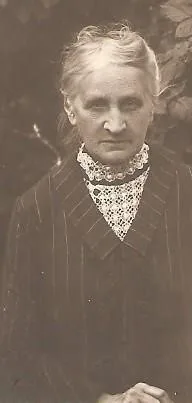
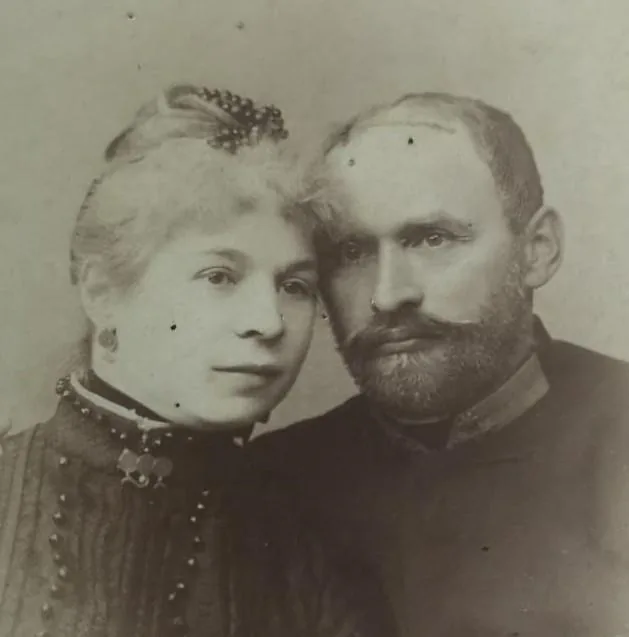
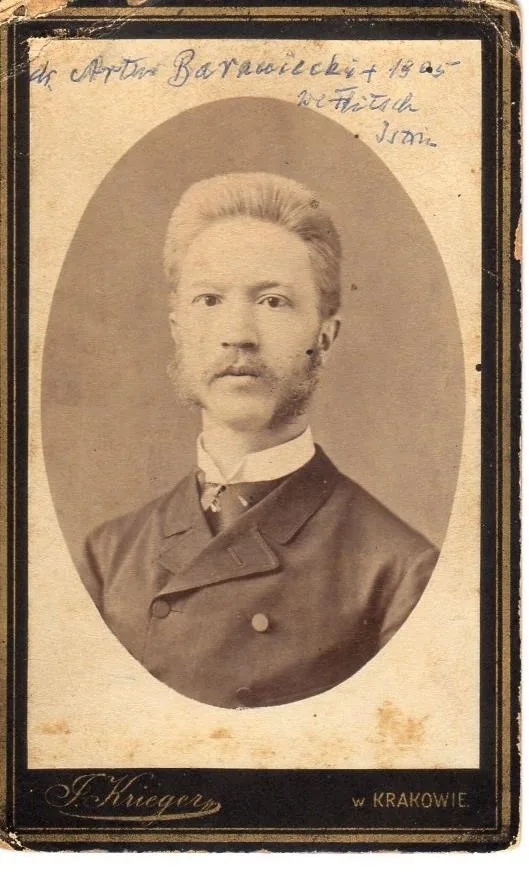
Family documents also mention a son, Artur, 1862 (later a doctor of medicine), although it can be cautiously assumed that he was an adopted child. These documents mention that his legal guardian was a pharmacist from Nozdrzec near Dynów.
Artur died in 1905 in Flitsch. This city is located in today’s Slovenia and is called Bovec, where there is a plaque dedicated to Artur as a distinguished doctor and social activist there.
1858 to 1863The death of Feliks
Unfortunately, Feliks Baraniecki, energetic and active on many fronts, was not in good health: he suffered from kidney and liver problems.
With far less effective medications than today, serious kidney disease was the death knell. So the young wife lived constantly in uncertainty and fear.
Unfortunately, her fears were to be confirmed. In 1858, while returning from treatment in Karlovy Vary (then Karlsbad), Feliks stopped at a pharmacist friend’s in Prerov (Moravia) and fainted there. He died on August 1, 1858.
It happened almost suddenly, away from his immediate family, and Feliks was only 45 years old at the time. A few days passed before the telegram about her husband’s death reached Karolina. She had to get to Tarnów, where the railway to Moravia departed, and that’s why she didn’t make it to the funeral, which ultimately took place in Prerov without her presence.
The despair of a young woman who became a widow in 1858, burdened with a group of underage children and an estate that she did not know how to run, without any help from her family and, in addition, already suffering from tuberculosis, was enormous. The collapse of a previously wealthy family became a real disaster.
In this situation, the only solution was to hand over the pharmacy to a temporary agent.
It was August Frischman, a master of pharmacy at the Jagiellonian University and, like Karolina, from Bukowina.
August has worked with Feliks before. So he was neither unknown nor unkind to Karolina. And she entrusted him, although with some concerns, with the care of her minor children and the pharmacy.
She died 5 years after her husband’s departure, in 1863, exhausted by tuberculosis and worries. She was 36 years old then and there was no certainty that anyone would seriously take care of the orphans left behind.
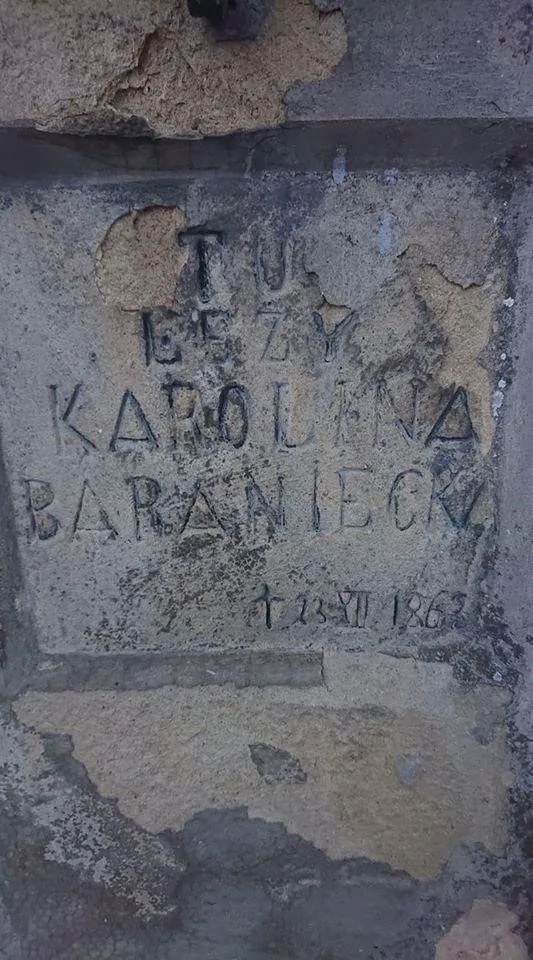
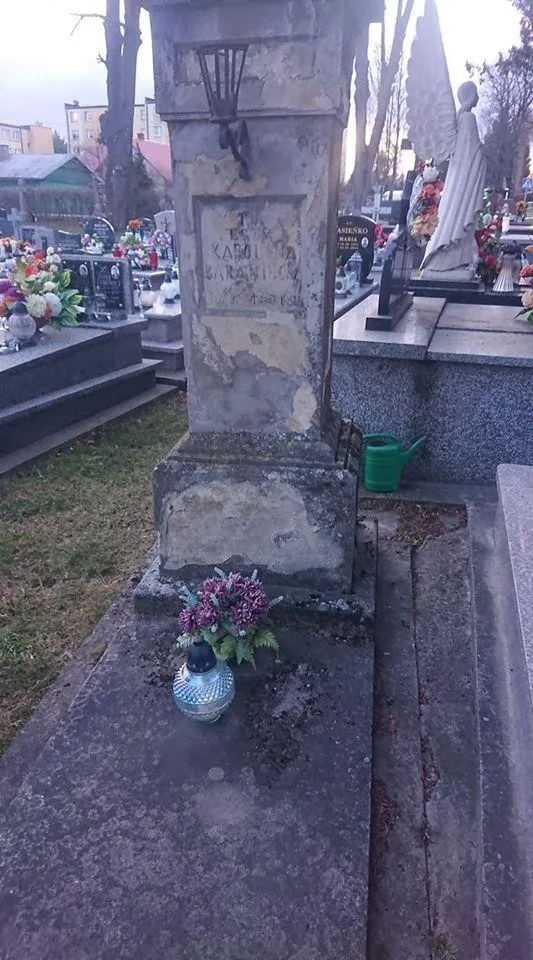
Karolina rests in the oldest cemetery in Dynów, opposite the chapel. These two pictures show her tomb.
1828 to 1880August Frischman
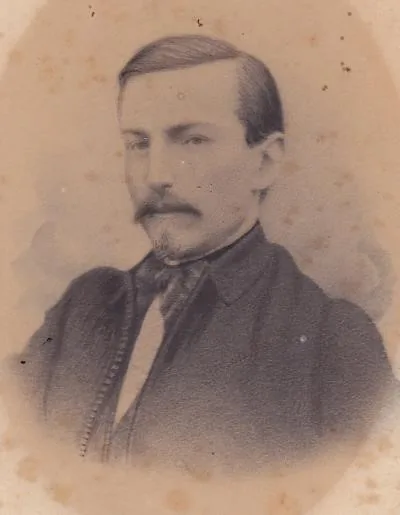
Who was the man who had such a decisive impact on the history of the Baraniecki family and with whose name their pharmacy was associated for many years?
August Frischman’s grandfather, Johann, a German, an Austrian subject, was sent to Bukovina (which had been a province of the Austro-Hungarian Empire since the second half of the 18th century) as a tax official in Chernivtsi.
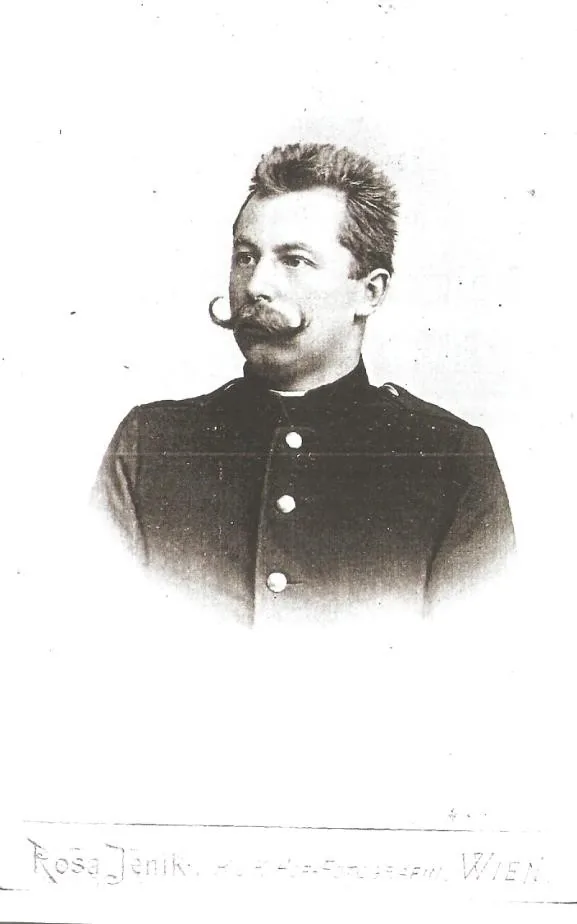
Perhaps Grandpa Johann was sent from Vienna to Germanize the Polish population living in Bukowina. However, the opposite happened. Franz (born in 1797 in Zurin), father of 6 children, and his wife Marcjanna Fuchs already spoke Polish well, as well as German, Ruthenian (i.e. Ukrainian), and Romanian.
Their son August, born on November 11, 1828 in Zaleszczyki, he consciously chose Polishness as a culture that suited his intelligence and internal values. After graduating from high school in Buczacz, he also chose the Jagiellonian University as his alma mater, where he graduated in pharmacy. Here is his University Diploma:
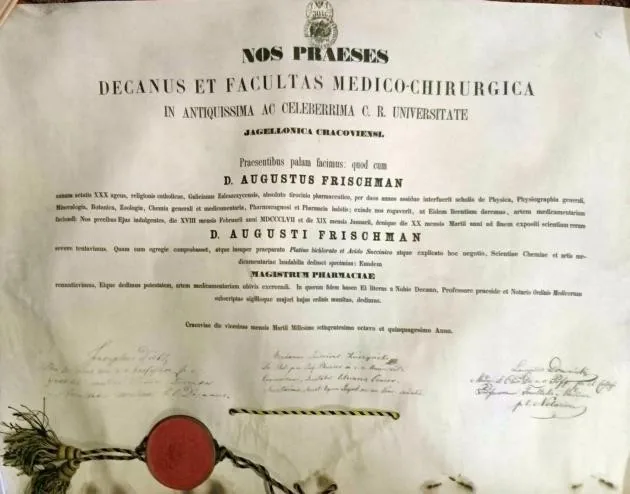
Translation of the diploma
The President, Dean, and Faculty of Medicine and Surgery of the most ancient and illustrious Imperial and Royal Jagiellonian University of Kraków hereby proclaim to one and all:
Whereas Mr. AUGUST FRISCHMAN, being 30 years of age, of the Catholic faith, a Galician from Zaleszczyki, having completed his pharmaceutical apprenticeship [tyrocinium], did for two years diligently attend lectures in Physics, General Physiography, Mineralogy, Botany, Zoology, General and Pharmaceutical Chemistry, Pharmacognosy, and Applied Pharmacy; and did furthermore submit a petition requesting that, upon due examination of his skills, we might confer upon him a degree in the art of preparing medicines.
We, acceding to his request, on the 18th day of February in the year MDCCCLVII, and on the 19th day of January and the 20th day of March of the year set forth below, did subject the scientific knowledge of Mr. AUGUST FRISCHMAN to rigorous examinations.
Inasmuch as he passed these examinations commendably, and did moreover prepare in the laboratory and demonstrate platinum bichloride [Platinumbichlorat] and succinic acid [Acidum Succinicum], thereby proving a praiseworthy knowledge of the chemical sciences and the art of preparing medicines, we hereby declare him a
Master of Pharmacy
And do confer upon him the full right to practice the art of preparing medicines wherever he may choose. In witness whereof, we have ordered this document, signed by the hand of the Right Honourable Dean, the Professor President, and the Notary of the Faculty of Medicine, to be authenticated with the great seal of this university.
Given in Kraków, on the twentieth day of March, in the Year One Thousand Eight Hundred and Fifty-Eight.
What’s more: August openly supported the participants of the January Uprising taking place in the Kingdom of Poland (1863).
He participated in conspiratorial meetings aimed at sending weapons to the insurgents, and he also involved Feliks’ eldest daughters in his activities; they sewed shirts for the insurgents, prepared rags and dressings. They also sent those collected clothes and shoes.
The Dynów Pharmacy became an important conspiratorial point between the insurgents from the Kingdom of Poland who escaped and the Poles from Galicia.
Unfortunately, after the defeat of the uprising, Emperor Franz Joseph, later assessed so favorably by Poles, began severe repression against sympathizers of the insurrection. August was sentenced to one and a half years in prison in the fortress of Kufstein in Tyrol.
Returning with severely damaged health, he set about fulfilling Karolina’s request. In 1866, he married 17-year-old Wanda (21 years younger than himself), who, due to her strong character, was considered responsible for the fate of her siblings and the legacy of her parents. Maybe they were connected by their previous joint underground work? Or maybe just a promise made to the dying Karolina?
The marriage turned out to be very unhappy, completely mismatched, making it difficult for both of them to live according to their views.
August, like many people reacting to the defeat of the uprising, fell into a whirlwind of fun (apparently, after such a trauma as the loss of a cause that was sacred to Poles, this was typical and common.) Dances, parties, sleigh rides, cards, organized in the surrounding manors and houses of the local intelligentsia, were thoroughly filled with time for him, and a young wife neglected like her siblings, a woman absorbed in the constantly growing group of her own children, responsible and serious, but without proper intellectual education, was not for the reckless, but also very intelligent and at the same time completely free-thinking Augustus, nor partner or friend.
Feliks’ fortune was decreasing day by day. However, it must be honestly admitted that August never became the owner of the pharmacy, always contenting himself with the position of a temporary agent. He lived as he wanted, but he did not rob his family of their property.
Years later, the kidney disease he contracted in the prison fortress recurred and it was so serious that he died on November 2, having lived only 52 years. The marriage with Wanda lasted only or as much as 14 years.
August was buried in the oldest cemetery in Dynów, in a grave where two of his little sons who died quickly after birth were buried: Adolf, 1867 and Aleksander, 1870 (today this small tomb is beautifully restored by the Society of Friends of Dynów, for which the family would like to express their sincere thanks). August left 5 minor children, including the youngest son Filip (born 1880) aged half a year, Stanisław (born 1878), Henryk (born 1876) aged 4, Franciszek (born 1874) aged 6, and Zofia (born 1872) aged 8.
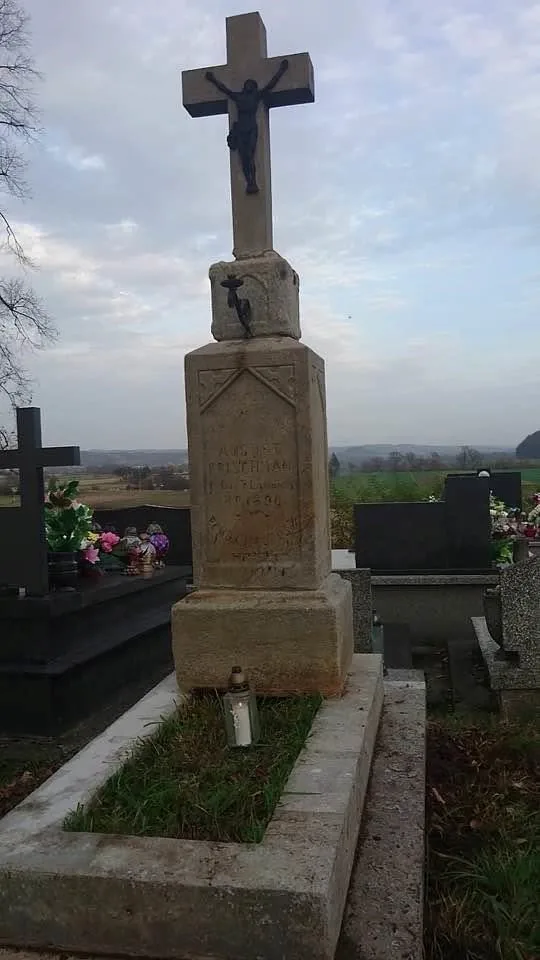
1880 to 1900Wanda-Salomea Frischman
A 31-year-old widow, Wanda Frischman, decided not to marry again. She took care of her family and their property with great energy and did so until the end of her long life (she died in 1939 at the age of 89).
She didn’t think about herself, but about everyone in her care. Everything was on her head, everyone was waiting for her decision, and she had no experience in fulfilling so many roles at once: sister, mother, estate manager and, above all, a pharmacy under someone else’s management.
The years passed. Reality was stabilizing somehow.
After being ordained, the sisters (Helena, Stefania and Marja) were married off. Wanda also made sure that her older brother, Władysław, graduated from military school and was promoted in the army, where he achieved the rank of captain and retired as a major. Wanda’s twin sister, Felicja, held good positions at the post offices she ran near Dynów and Przemyśl. Felicja, like Władysław, did not start families.
Everyone agreed to transfer their shares in the pharmacy to Wanda. This happened after the notarial guarantee of appropriate repayments to the siblings. Stefania and Helena each received 1,000 crowns, Felicja and Marja 2,000 crowns, and Władysław 600 crowns.
The pharmacy was constantly run by temporary workers. Considering that they had to earn money themselves, and not everyone was as knowledgeable in pharmaceutical art as Feliks, Wanda dreamed of the moment when her sons would take over the pharmacy.
Henryk seemed the most suitable for this role, very talented, hard-working, and ideally suited to the role his mother had assigned to him. Unfortunately, at the age of 15, he developed diabetes and soon died, to the great regret of his mother and family. He was buried in his father’s tomb (i.e. August Frischman, in the old Dynów cemetery).
1874 to 1900Franciszek
The only hope for her mother was Franciszek, not as talented as Henryk, but solid, hard-working, modest, extremely attached to his mother and younger siblings. From the age of 15, he practiced in his mother’s pharmacy under the supervision of Ludwik Giebułtowicz (by the way, his godfather) and in 1895 he graduated in pharmacy from the Jagiellonian University (index no. 300).
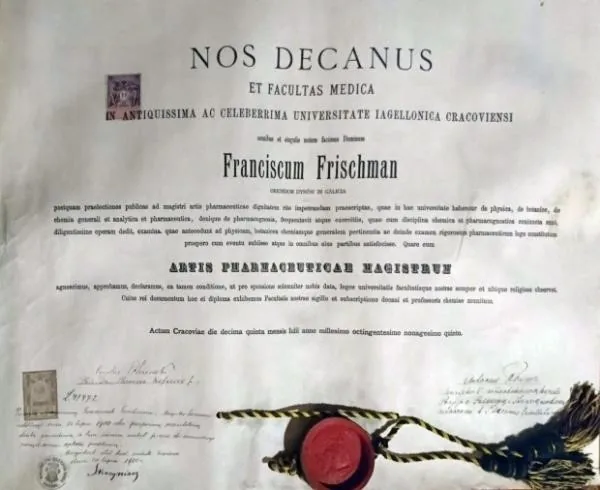
Throughout his studies, Franciszek worked at the “Pod Gwiazdą” pharmacy in Krakow with Konstanty Wiszniewski, his father’s old friend.
At that time, the pharmacy in Dynów was still run by the aforementioned Ludwik Giebułtowicz. Then Wanda employed Franciszek Biechoński, MA.
At that time, Franciszek began another internship in a pharmacy in Łańcut with M. Szulc, M.A., then he worked in Vienna, Cieszyn with E. Kaschek, M.A., Krzeszowice with E. Rybacki, M.A., in Krakow (?), and finally in Dynów with J.M.A. Cetera and Cz. Chorubski in his mother’s pharmacy.
He also settled there permanently after completing all his internships and took over the family pharmacy on his own. It was in 1900. A new period began for the family, full of peace and stability, a reward for Wanda for her years of dedication to others.
1903 to 1911The new house
In 1903, Franciszek decided to demolish the old house to make way for a new, two-story house, with special rooms for a pharmacy (3 rooms and a basement), an apartment for a large family and tenants on the first floor (e.g. a doctor). And so it happened.
The old house, built in the distant years 1690-1700, was demolished and the pharmacy was moved to a building belonging to Stefan Trzecieski for the period of new construction.
It was a warehouse of market goods that were traded during Thursday fairs. It was located on the northern side of the market square.
The undertaking was enormous.
But already in 1904, the new building was completed to such an extent that the pharmacy began to function there, and the house, a tenement house, expanded for many years, was remembered by the inhabitants of Dynów thanks to its front part, which housed a pharmacy serving people from the town and the surrounding area.
At the top of the Art Nouveau façade you could see a triangle with the “Eye of Providence”. This symbol was also placed at the top of the pharmacy’s main dispatch cabinet.
A small rectangular garden was created in front of the entrance. It still exists today with an increasingly older linden tree inside.
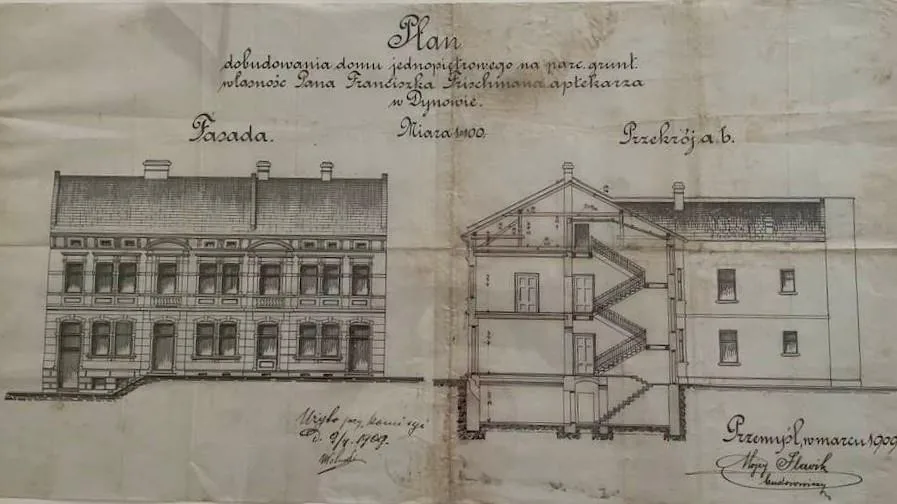
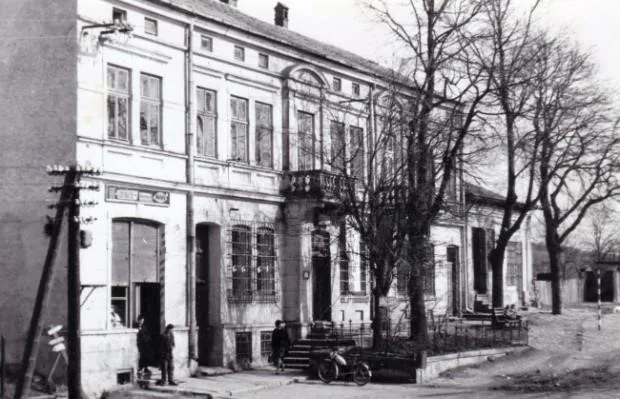
Wanda finally gave the pharmacy to her son on October 18, 1911. The notarial deed records that the pharmacy became the property of Franciszek for 28,000 crowns that remained after 7 thousand divided between Franciszek’s two living brothers, Stanisław and Filip, and two daughters of Zofia Banachowa née Frischman (Franciszek’s sister, already deceased at that time). So the siblings were paid off.
1906 to 1918Franciszek and Wanda
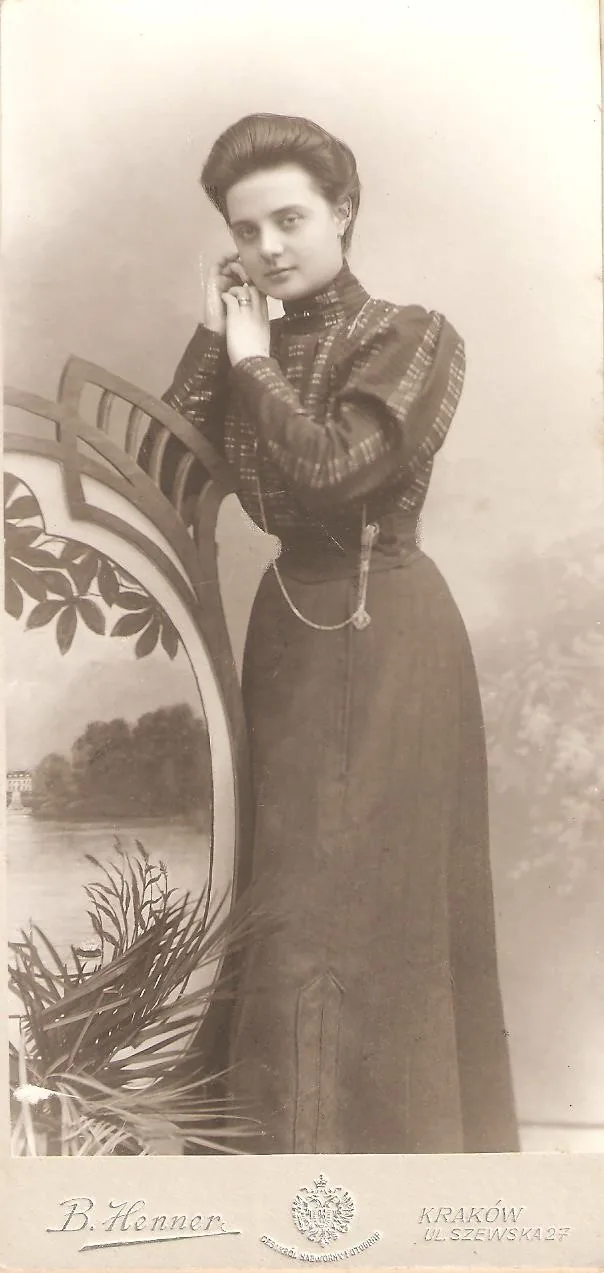
A great joy for Wanda, even earlier, in 1906, was the wedding of 32-year-old Franciszek with the beautiful, 19-year-old Wanda, daughter of Teofil Grochowicz, judge of the District Court in Przemyśl.
Franciszek made a good choice: his wife turned out to be an excellent companion in his life.
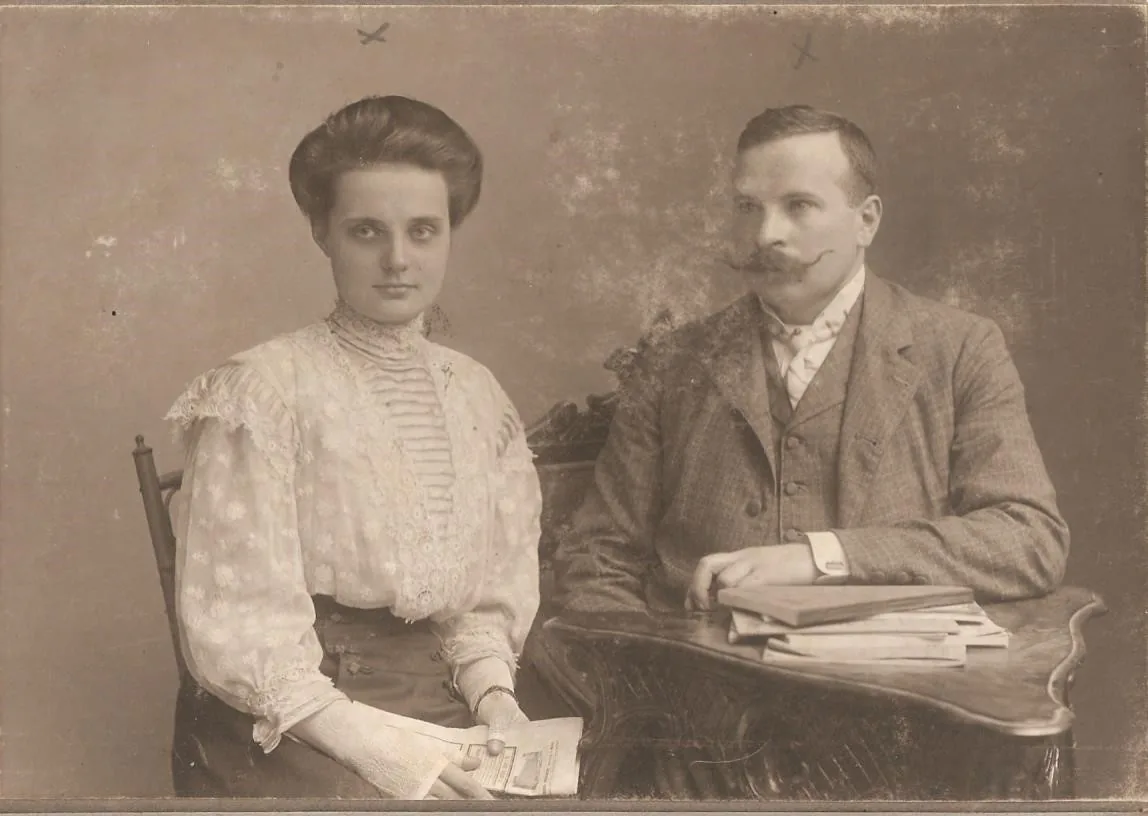
She was an excellent hostess, a tactful daughter-in-law, and an ideal mother. She bore Franciszek four children: Zofia (1907, who died in infancy), Kazimierz (1909), Barbara (1911) and Stanisław (1922). They lived together for 49 years.
In 1918, Franciszek and Filip changed their surname Frischman to Baraniecki. They did it consciously to emphasize their Polish affiliation and, moreover, to return the pharmacy to its old name of “Baraniecki’s pharmacy”. They took their Mother’s maiden name “Baraniecki”.
Stanisław was then in the United States and only he retained his father’s surname until the end. The interwar period was a series of good times for the family, making up for the previous poverty, orphanhood and abandonment.
1872 to 1939The children of Wanda-Salomea and August
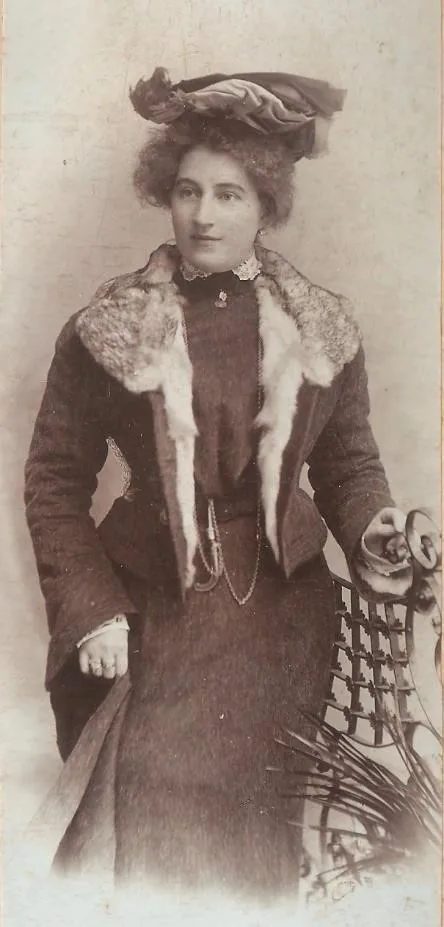
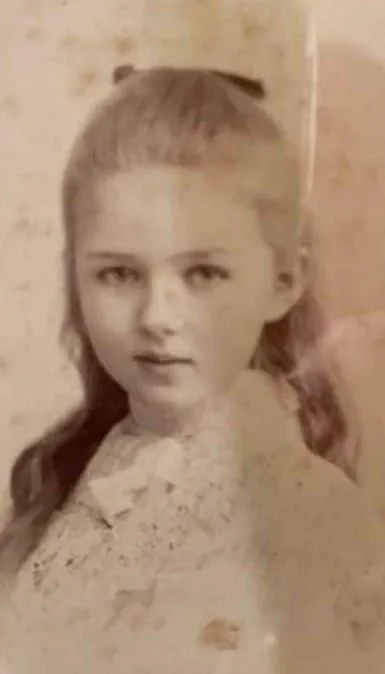
Zofia /1872-1903/, married Adam Banach.
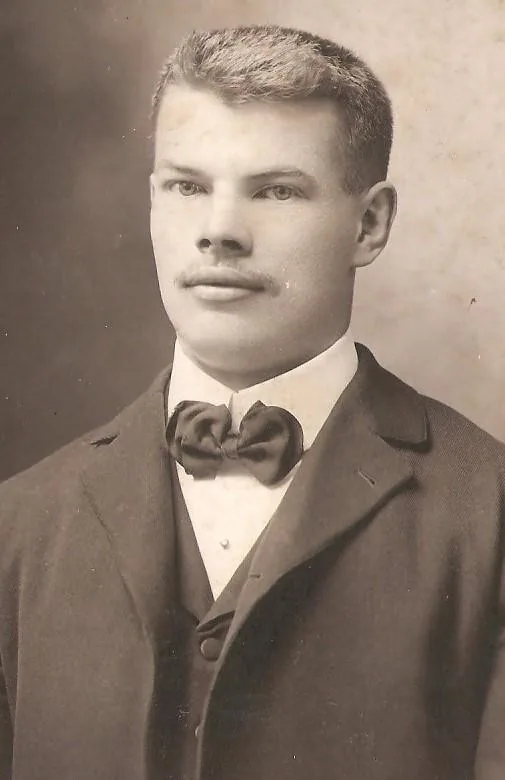
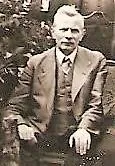
Franciszek /1874-1955/, married Wanda Grochowicz. Father to Kazimierz /1909-1995/.
Henryk /1876/, died at fifteen.
Stanisław Adolf /1878-1930/, emigrated to the United States.
Filip /1880-1939/, married Eugenia Doczyło.
1909 to 1937Kazimierz
Franciszek, a model of tireless, solid work, the complete opposite of his father, a man eager for pleasure and a free-thinking epicurean, had a completely different attitude to life: modest to a fault, a great homebody, thrifty, deeply religious, he was a support and hope for his old mother and the whole family.
Under his rule, the interior of the pharmacy gained a beautiful appearance.
Oak cabinets made to order according to pharmacy fashion patterns with beautifully etched glass (coming from C. Bierbach’s studio in Lviv and depicting Greek symbols of medicinal art according to Art Nouveau patterns, e.g. the idol of Asclepius with a snake and decorated with plant symbols), exceptional sensitivity of weight, grain and other vessels for storing medicines with Latin inscriptions, all this looked not only solid, but also exceptionally aesthetic.
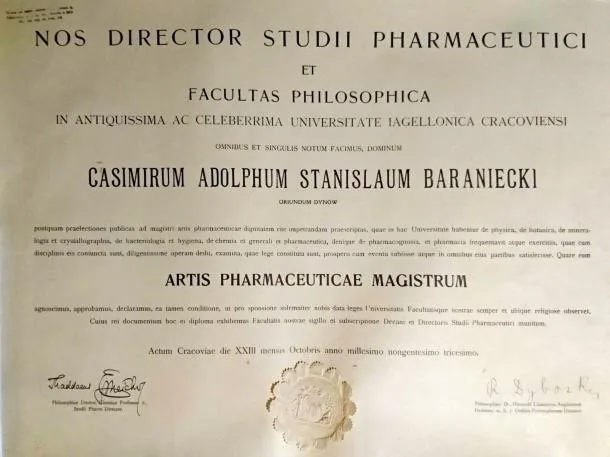
His son Kazimierz, resembling his grandfather in intelligence and flair, agreed, although very reluctantly, to study pharmacy (he is a humanist-historian, and personally he dreamed of studying Polish literature). He graduated in 1930, at the Jagiellonian University and began practicing in pharmacies in various cities (Jaworzno, Zakopane, Bydgoszcz, Brzozów), and finally in 1937 he settled permanently in Father’s pharmacy in Dynów, first as collaborator and, from 1945, full owner.
1939 to 1945The war years
Unfortunately, the good times were about to end.
Although old Wanda did not live to see the drama of World War II (she died only after it started, in December 1939) and the family existed as such (people always need medicine), Barbara, Franciszek’s daughter, came to Dynów.
Her husband, Karol Kaszycki, who worked in the military police before the war, was interned in 1939. He spent World War II in an oflag in Murnau. Barbara, escaping from Warsaw, came with her two little sons, Wojciech and Andrzej, to Dynów, to her parents.
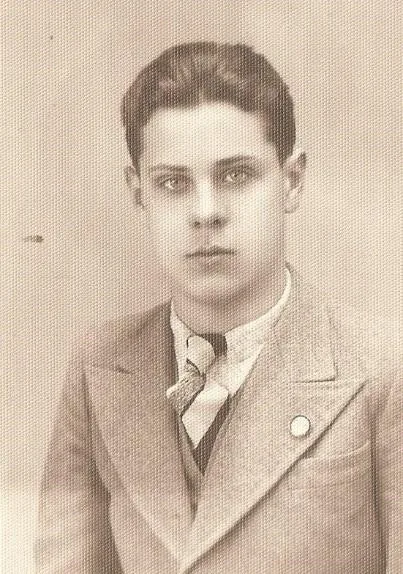
In 1940, Franciszek and Wanda’s beloved, youngest son, Stanisław, a high school student who had just graduated from high school in Przemyśl, was arrested by the Gestapo and was in the first transport to Oświęcim (Auschwitz) and registered under number 208.
He was murdered on January 29, 1941 (his execution was witnessed by Mieczysław Steciwko, a resident of Dynów, also transported in this transport, one of the first, in June 1940).
Wanda did not stop mourning until her death. The pharmacy, although it was not his property yet, was run by Kazimierz, an excellent, modern pharmacist. Throughout the war, due to the lack of hospitals and other health care facilities, pharmacies, including the one in Dynów, played an irreplaceable role: they treated people and made them aware that they could get substantive health advice there.
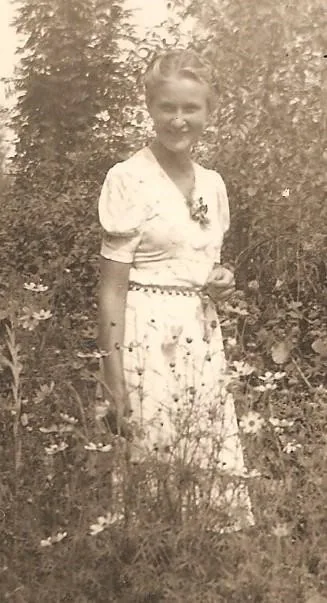
In 1945, after Kazimierz married Stefan Trzecieski’s granddaughter, Małgorzata Paygert, the old father left the pharmacy to his son.
1946 to 1995Nationalisation
Unfortunately not for long, a new political system created after World War II destroyed everything that even had the appearance of private property.
First, surcharges from the Financial Office poured in, completely destroying any profit.
Then, in November 1946, the Ukrainian Army stole the most valuable medicines, book collection and pharmacy equipment.
Then Kazimierz was drafted for 2 years (1948-1950) into the army, which needed doctors and pharmacists. The pharmacy was again run by old Franciszek, who was seriously ill with a heart condition, with the efficient and generous help of his daughter-in-law, Małgorzata.
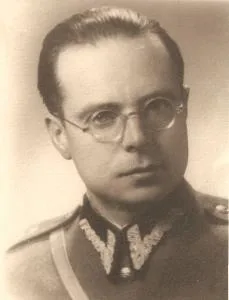
After Kazimierz returned from the army, on January 8, 1951, the pharmacy was nationalized. The people’s state also took over the pharmacy supplies prepared for three months (this was the previous regulation) and the entire bank account.
The fact that Kazimierz became the manager of pharmacy was a good coincidence: he could have been thrown out of business or offered a job in another city.
Old Franciszek and his wife were left destitute. Naturally, they were supported by Kazimierz, as was his wife, who was forbidden to cooperate with her husband (as physical assistance in the so-called supplying medicines), and three small children, Maria, Marek and Marcin.
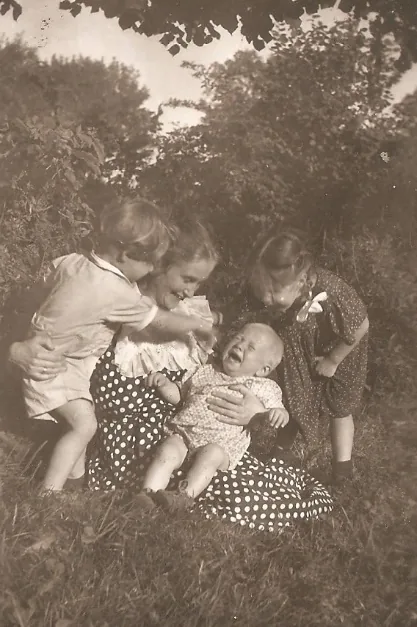
The entire legacy of Franciszek and his ancestors, beautiful pharmacy equipment, furniture, unique scales, chemical and pharmacognostic laboratories, old pharmaceutical books, souvenirs, all this ceased to be the property of the family in one day.
From Franciszek’s notes, January 9, 1951
“About 8 a.m. during my stay in the church, 4 tax officials from Brzozów burst into the pharmacy with the news that the pharmacy was being nationalized and after carefully compiling the total content of the pharmacy resources, along with all the equipment, they left around 3 p.m. You can imagine what an impression this bolt from the blue made on us. It is not known whether we will be able to stay in a private apartment.
Since Kazimierz, as the current owner and manager of the pharmacy, will be limited only to the monthly salary, any income I had was canceled.”
The Pharmacy “Under Providence” went down in history, and the “Social Pharmacy No. 12” began its operations. In this pharmacy, Kazimierz worked in a managerial position until January 27, 1980.
Franciszek, reconciled with his fate, lived out his final years peacefully. He died as a result of chronic heart disease on March 26, 1955 and is buried at the Dynów medium cemetery in the Baraniecki tomb.
His wife, Wanda, ended her life in 1971. Kazimierz retired after 50 years of good and diligent work in 1980 and died in Warsaw in 1995. With the passion of a historian, he devoted many of the last years of his life to compiling sources regarding the fate of the family, he also organized documents, sorted photos and souvenirs, and solved incomprehensible puzzles related to family and pharmacy history. It is thanks to Him that the family has not forgotten its roots, and I was able to write this family history for a wider group of readers.
1990 to todayWhat became of the pharmacy
An explanation for readers about the fate of pharmacy equipment that has a high museum value today. In 1990, by the decision of Kazimierz Lampart, director of the Pharmaceutical Supply Company in Rzeszów, the old pharmacy was liquidated. Some of the pharmacy furniture and a few elements of its equipment were kept in the warehouses of the Folk Architecture Museum in Sanok for 20 years, as they were unnecessary and even intrusive in the new pharmacy run by people outside the Baraniecki family.
Now, after renovation, they are exhibited in the Sanok Open-Air Museum, in the “Galicyjski Rynek” sector. The ceremonial opening of the above-mentioned sector, with the participation of government and local government authorities, took place on September 16, 2011. Glassware and laboratory glassware are used by the Medical Vocational College in Przemyśl. In the Sanok Open-Air Museum you can also see the old “Monk” showing the weather; it still stands in the window of the reconstructed pharmacy.
However, nothing is known about the fate of the “Eye of Providence” and the extremely valuable pharmacy scales. Finally, I will add that Kazimierz did not receive even symbolic compensation from the Third Polish Republic for his lost property, property that was the result of the work of 4 generations of the family.
The Association of Former Owners of Pharmacies and Pharmaceutical Factories, established in 1990 and whose members are only their descendants, is still seeking such compensation, to no avail.